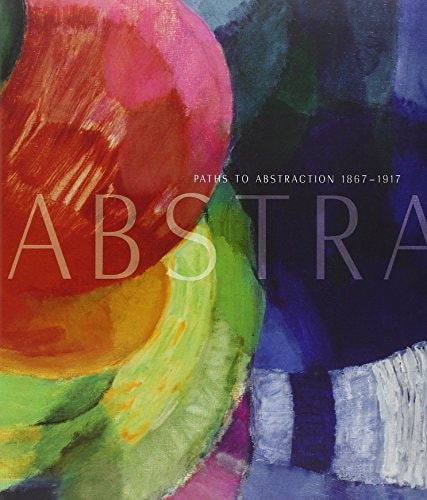
Abstraction Paths to Abstraction, 1867-1917
0
0
As an Amazon Associate and affiliate partner, Menrva Books earns from qualifying purchases. Learn more
Author Description
Surveying the art of five decades, from 1867 to 1917, this publication follows the broad and diverse ways that artists and their public, little by little, learnt to see and to judge works of art abstractly. The contributions ofWhistler, Monet, Czanne, Maurice Denis,Vuillard, Matisse, Derain, Picasso and Braque in advancing the possibilities of abstraction are given due emphasis. Apart from Kandinsky, the first generation of abstract painters included Piet Mondrian, Kasimir Malevich, Fernand Lger, Francis Picabia, František Kupka, Robert Delaunay, Sonia Delaunay, Giacomo Balla, Jean Arp, Sophie Taeuber, Paul Klee, Arthur Dove and Patrick Henry Bruce. How had these artists arrived at such a convergence? How had abstract art taken root so quickly?Why was it not singled out by critics or historians as an independent art movement? One answer is that the conventions of abstraction had evolved over such a long time and were so thoroughly embedded in the avant-garde movements of the late 19th and early 20th century, that the advent of abstract art seemed inevitable; abstraction was considered synonymous with 'modern art'. Far from breaking links to prior avant-garde movements, as this book argues, abstraction arose directly from a tradition of speculation about the nature of art and of aesthetic experience.
Menrva's Summary
THE THESIS
This publication investigates the gradual evolution of abstract art appreciation from 1867 to 1917. It examines how artists and the public alike developed the capacity to perceive and evaluate art abstractly over five decades, highlighting the significant contributions of key figures like Whistler, Monet, Cézanne, Matisse, Picasso, and Braque. The book explores the rapid emergence and widespread adoption of abstract art, questioning why it was not initially recognized as a distinct movement. It posits that the deep-rooted conventions of abstraction within avant-garde movements made its arrival seem inevitable, with abstraction becoming synonymous with 'modern art'. The central argument is that abstraction did not break from prior traditions but rather emerged directly from a continuous lineage of philosophical inquiry into the nature of art and aesthetic experience.
THE SCOPE MAP
- An analysis of the period from 1867 to 1917, focusing on the development of abstract art.
- Emphasis on the contributions of influential artists such as Whistler, Monet, Cézanne, Matisse, Picasso, and Braque.
- Discussion of the first generation of abstract painters, including Kandinsky, Mondrian, Malevich, Lger, and others.
- Exploration of the reasons behind the rapid growth and acceptance of abstract art.
- An examination of why abstract art was not initially classified as an independent movement.
- Argument that abstraction arose from a tradition of aesthetic speculation rather than a break from avant-garde movements.
- The concept of abstraction being perceived as synonymous with 'modern art'.
THE AUTHORITY PERSPECTIVE
This scholarly work is likely to be appreciated by art historians and enthusiasts of early modern art for its detailed survey of a pivotal period. The book's focus on the gradual assimilation of abstract principles suggests a nuanced approach to art historical development. It aims to provide a comprehensive understanding of how abstraction became embedded within the broader context of modern art, offering insights into critical and historical reception.
Page Count:
295
Publication Date:
2010-01-01
Publisher:
Art Gallery of New South Wales
ISBN-10:
1741740568
ISBN-13:
9781741740561
Art
History
Non-Fiction
Modern Art
Abstraction
Art History
Community Tags
Similar Books