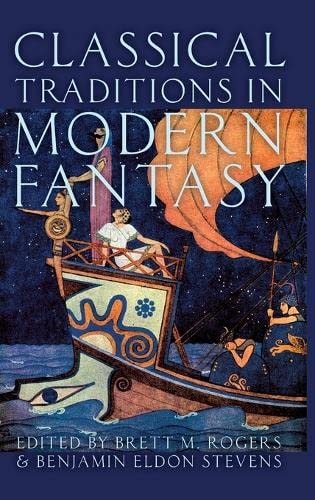
Classical Traditions in Modern Fantasy
0
0
As an Amazon Associate and affiliate partner, Menrva Books earns from qualifying purchases. Learn more
Author Description
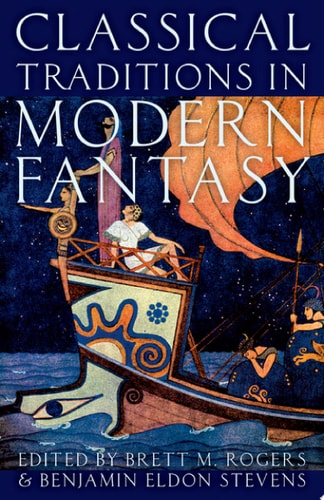
Classical Traditions in Modern Fantasy is the first collection of essays in English focusing on how fantasy draws deeply on ancient Greek and Roman mythology, philosophy, literature, history, art, and cult practice. Presenting fifteen all-new essays intended for both scholars and other readers of fantasy, this volume explores many of the most significant examples of the modern genre-including the works of H. P. Lovecraft, J. R. R. Tolkien's The Hobbit, C. S. Lewis's Chronicles of Narnia, J. K. Rowling's Harry Potter series, George R. R. Martin's Game of Thrones series, and more-in relation to important ancient texts such as Aeschylus' Oresteia, Aristotle's Poetics, Virgil's Aeneid, and Apuleius' The Golden Ass. These varied studies raise fascinating questions about genre, literary and artistic histories, and the suspension of disbelief required not only of readers of fantasy but also of students of antiquity. Ranging from harpies to hobbits, from Cyclopes to Cthulhu, and all manner of monster and myth in-between, this comparative study of Classics and fantasy reveals deep similarities between ancient and modern ways of imagining the world. Although antiquity and the present day differ in many ways, at its base, ancient literature resonates deeply with modern fantasy's image of worlds in flux and bodies in motion.
Menrva's Summary
THE THESIS
This collection investigates the foundational influence of ancient Greek and Roman mythology, philosophy, and literature on the development and thematic structure of modern fantasy. Editors Benjamin Eldon Stevens and Brett M. Rogers curate fifteen original essays that bridge the gap between antiquity and contemporary speculative fiction. By analyzing how modern authors utilize classical tropes, the volume argues that the imaginative frameworks of the past remain integral to the construction of modern secondary worlds.
THE SCOPE MAP
What You Will Find
- Comparative analyses of works by H. P. Lovecraft, J. R. R. Tolkien, C. S. Lewis, J. K. Rowling, and George R. R. Martin.
- Examinations of classical texts including Aeschylus' Oresteia, Aristotle's Poetics, and Virgil's Aeneid.
- Discussions on the mechanics of genre, artistic history, and the suspension of disbelief.
Scope Limits
- The volume does not provide an exhaustive history of the fantasy genre.
- It focuses primarily on Western classical traditions rather than global mythological influences.
THE AUTHORITY PERSPECTIVE
Scholars and readers frequently note the academic rigor of the prose, which serves as a bridge between classical studies and popular culture analysis. Experts highlight this as a valuable resource for understanding the historical lineage of modern fantasy tropes.
Page Count:
377
Publication Date:
2016-01-01
Publisher:
Oxford University Press
ISBN-10:
0190661070
ISBN-13:
9780190661076
Fantasy
Literary Criticism
Comparative
Mythology
Theatre
Humanities
Academic
Theatre History
Community Tags
Other Editions(3)
Similar Books