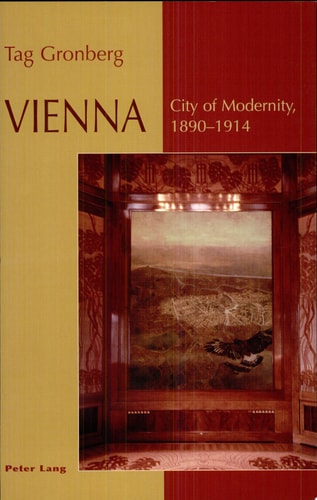
Vienna City of Modernity, 1890-1914
0
0
As an Amazon Associate and affiliate partner, Menrva Books earns from qualifying purchases. Learn more
Author Description
In Vienna at the turn of the twentieth century the question of what it meant to be modern was a heated topic of debate. Focusing on interior design, fashion and photography, as well as on painting and architecture, this study casts fresh light on the vital role of the arts in these debates. The 'new' art and literature was crucial in defining a distinctive Viennese modernity while at the same time challenging preconceptions about modern urban life. Many artists and writers produced work that questioned and undermined oppositions between city and country, interior spaces and panoramic views, masculinity and femininity. Issues of gender and the representation of the body were particularly important in establishing professional identities for some of Vienna's most prominent figures, including the Secessionist painters Gustav Klimt and Carl Moll, designers such as Adolf Loos and Emilie Flöge, as well as the poet and feuilletonist Peter Altenberg. Intellectual life in turn-of-the-century Vienna has often been characterised as a retreat from the public sphere. This book demonstrates how - even in its ostensibly most private manifestations - Viennese Modernism involved a highly performative set of practices aimed at an international audience.
Menrva's Summary
THE THESIS
This book investigates how the arts in Vienna between 1890 and 1914 were central to defining and debating modernity. It examines interior design, fashion, photography, painting, and architecture to reveal how artists and writers challenged conventional notions of urban life and constructed a distinct Viennese modernity. The study highlights how these artistic endeavors questioned dichotomies such as city versus country, public versus private, and masculinity versus femininity, particularly in establishing professional identities for key figures. Gronberg demonstrates that Viennese Modernism, far from being a retreat, was a performative engagement with an international audience.
THE SCOPE MAP
- Exploration of interior design and its role in defining Viennese modernity.
- Analysis of fashion and its connection to gender and professional identity.
- The significance of photography in representing the modern urban experience.
- Focus on painting and architecture, particularly the Secessionist movement.
- Examination of the works of prominent artists and writers like Gustav Klimt, Carl Moll, Adolf Loos, Emilie Flöge, and Peter Altenberg.
- Discussion of how art challenged oppositions between city and country, interior and exterior spaces.
- Investigation into issues of gender and the representation of the body in establishing artistic identities.
- Demonstration of Viennese Modernism as a performative practice aimed at an international audience.
THE AUTHORITY PERSPECTIVE
The book is recognized for its in-depth exploration of the multifaceted nature of modernity in turn-of-the-century Vienna, particularly through the lens of the arts. It is noted for casting fresh light on how interior design, fashion, photography, painting, and architecture were not merely aesthetic choices but crucial components in defining and debating what it meant to be modern. Scholars have appreciated its nuanced analysis of how artists and writers challenged societal norms and constructed a unique Viennese identity. The work is considered a significant contribution to understanding the performative aspects of Viennese Modernism and its engagement with an international public.
Page Count:
226
Publication Date:
2007-01-01
Publisher:
Peter Lang
ISBN-10:
3039110462
ISBN-13:
9783039110469
History
Art
Non-Fiction
Design history
Vienna
Modernism
Cultural History
Art History
Gender Studies
Community Tags
Similar Books