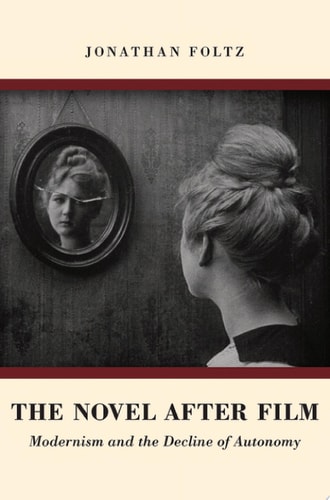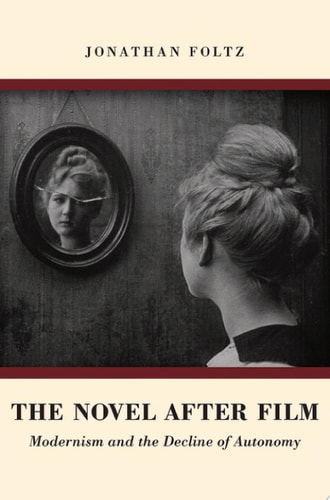
The Novel after Film: Modernism and the Decline of Autonomy
0
0
As an Amazon Associate and affiliate partner, Menrva Books earns from qualifying purchases. Learn more
Author Description
According to prevailing media histories, film long ago ought to have rendered the novel obsolete. The irony of this story is that the "death of the novel" at the hands of film has for a long time now been a pervasive trope of the novel's continued reinvention. The Novel After Film offers a substantial reassessment of this paradoxical new condition of novelistic practice in which writers have re-imagined the novel in the shadow of film. In the cinema, a generation of modernist writers found a medium whose bad form was also laced with the glamor of the popular, and whose unfamiliar visual language seemed to harbor a future for innovative writing after modernism. How did the cinema-with its crude continuities, crowded theaters, stock plots, and ghostly images-seem to flout conventional ideas of narrative form? What new literacies of experience and representation did film seem to promise? As The Novel After Film demonstrates, this fascination with film was played out against the backdrop of a growing discourse about the novel's respectability. As the modern novel was increasingly venerated as a genre of aesthetic refinement, authors such as Virginia Woolf, H. D., Henry Green and Aldous Huxley turned their attention to the cinema in search of alternative aesthetic histories. For authors working in modernism's atmosphere of heightened formal sophistication, film's bad form took on a perverse attraction. In this way, film played a key role in helping writers negotiate a transforming public culture which seemed to be leaving the novel behind.
Menrva's Summary
THE THESIS
This book investigates how the emergence of cinema influenced the formal evolution and aesthetic strategies of modernist literature during the early twentieth century. Jonathan Foltz, a scholar of modernism and media, examines the paradoxical relationship between the novel and film, arguing that writers utilized the perceived 'bad form' of cinema to challenge the increasing institutionalization and respectability of the novel. By analyzing the work of key modernist figures, the text demonstrates how film provided a framework for authors to navigate a changing public culture and redefine narrative possibilities.
THE SCOPE MAP
What You Will Find
- Analysis of the intersection between early cinema and modernist literary techniques
- Examination of the 'death of the novel' trope as a catalyst for reinvention
- Case studies of authors including Virginia Woolf, H. D., Henry Green, and Aldous Huxley
- Discussion of the tension between aesthetic refinement and popular media
Scope Limits
- The text focuses primarily on the modernist period and does not provide a comprehensive history of the novel in the late twentieth or twenty-first centuries.
THE AUTHORITY PERSPECTIVE
Scholars and critics recognize this work as a significant contribution to the study of intermediality and the formal history of the novel. Readers frequently note the academic density of the prose, which is tailored for those familiar with modernist literary theory and media history.
Page Count:
305
Publication Date:
2017-01-01
Publisher:
Oxford University Press
ISBN-10:
0190676515
ISBN-13:
9780190676513
Graphic ArtsCommunicationsDesign
Fiction
Media History
Modernism
Professional Career & Trade
Literary Criticism
Film Studies
Community Tags
Similar Books