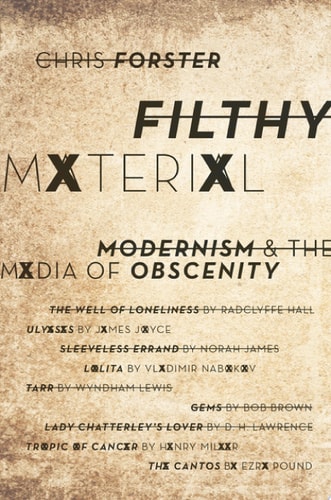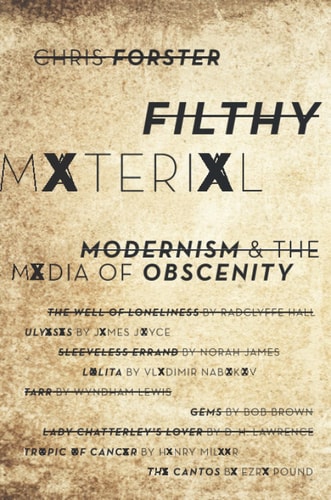
Filthy Material: Modernism and the Media of Obscenity
0
0
As an Amazon Associate and affiliate partner, Menrva Books earns from qualifying purchases. Learn more
Author Description
Modernist literature is inextricable from the history of obscenity. The trials of figures like James Joyce, D. H. Lawrence, and Radclyffe Hall loom large in accounts twentieth century literature. Filthy Material: Modernism and The Media of Obscenity reveals the ways that debates about obscenity and literature were shaped by changes in the history of media. Judgments about obscenity, which hinged on understanding how texts were circulated and read, were often proxies for the changing place of literature in an age of new technological media. The emergence of film, photography, and new printing technologies shaped how literary value was understood, altering how obscenity was defined and which texts were considered obscene. Filthy Material rereads the history of obscenity in order to discover a history of technological media behind debates about moral corruption and sexual explicitness. The shift from the intense censorship of the early twentieth century to the effective 'end of obscenity' for literature at the middle of the century, it argues, is not simply a product of cultural liberalization but of a changing media ecology.Filthy Material brings together media theory and archival research to offer a fresh account of modernist obscenity and novel readings of works of modernist literature. It sheds new light on figures at the center of modernism's obscenity trials (such as Joyce and Lawrence), demonstrates the relevance of the discourse obscenity to understanding figures not typically associated with obscenity debates (like T. S. Eliot and Wyndham Lewis), and introduces new figures to our account of modernism (like Norah James and Jack Kahane). It reveals how modernist obscenity reflected a contest over the literary in the face of new media technologies.
Menrva's Summary
THE THESIS
This book investigates how the legal and cultural history of obscenity in modernist literature was fundamentally shaped by the evolution of media technologies and circulation methods. Author Chris Forster, an academic specializing in modernist studies, utilizes archival research and media theory to argue that the mid-century decline of literary censorship was a consequence of a shifting media ecology rather than merely a result of cultural liberalization. By examining the intersection of print, film, and photography, the text recontextualizes canonical obscenity trials as debates over the status of literature within an increasingly technological landscape.
THE SCOPE MAP
What You Will Find
- Analysis of the relationship between media history and literary obscenity.
- Case studies of major modernist figures including James Joyce, D. H. Lawrence, T. S. Eliot, and Wyndham Lewis.
- Examination of lesser-known figures such as Norah James and Jack Kahane.
- Theoretical framework linking technological change to definitions of moral corruption.
Scope Limits
- The study focuses primarily on the early to mid-twentieth century.
- It does not provide a comprehensive history of all censorship laws, focusing instead on the intersection with media technology.
THE AUTHORITY PERSPECTIVE
Scholars in the field of modernist studies recognize this work as a significant contribution to the understanding of how material conditions influence literary reception. Readers frequently note the academic density of the prose, which effectively bridges the gap between media theory and historical literary analysis.
Page Count:
232
Publication Date:
2018-11-19
Publisher:
Oxford University Press
ISBN-10:
0190840870
ISBN-13:
9780190840877
Cultural History
Obscenity Law
Mass media
Academic
Censorship
Modernism
Literary Criticism
Media Studies