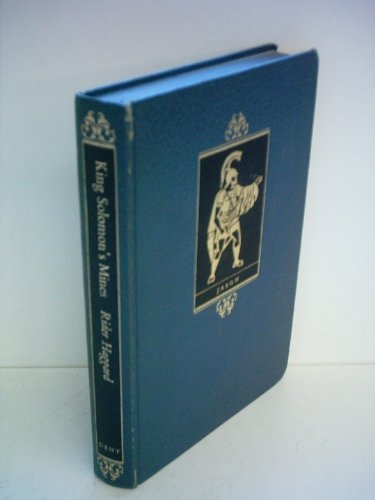
King Solomon's Mines
0
0
As an Amazon Associate and affiliate partner, Menrva Books earns from qualifying purchases. Learn more
Author Description
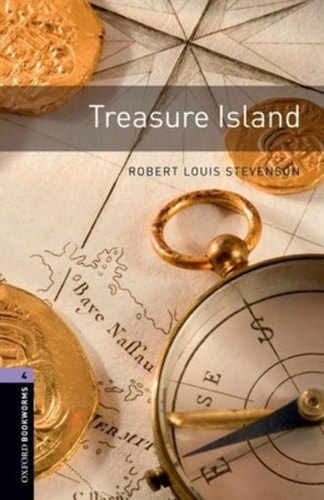
King Solomon’s Mines was published in September 1885, becoming an immediate best seller by tapping into people’s excitement for the unknown: in this case, the unexplored regions of Africa. Haggard wrote the novel in a very short period, between six and sixteen months, on a bet with his brother to try to match Robert Louis Stevenson’s Treasure Island. In the process he created a new literary genre known as the “Lost World” genre, which would later influence other writers like Arthur Conan Doyle and H. P. Lovecraft. The book tells the tale of Allan Quatermain, an adventurer and hunter, who is approached by Sir Henry Curtis and Captain Good to help them find Curtis’ lost brother, who went missing while trying to find the fabled King Solomon’s Mines. This book has spawned multiple adaptations in the form of movies, comics, and TV shows.
Menrva's Summary
THE PULSE
Allan Quatermain, a seasoned hunter and adventurer, is recruited by two English gentlemen to lead a perilous expedition into the uncharted interior of Africa in search of a missing brother and legendary wealth. Quatermain must navigate treacherous terrain, hostile environments, and the threat of local conflict while managing the differing temperaments of his companions. The narrative, presented as a first-person account by Quatermain himself, emphasizes the physical toll of the expedition and the logical challenges of surviving in a landscape largely unknown to the European explorers of the era. The primary tension arises from the clash between the explorers' colonial objectives and the formidable, hidden forces guarding the fabled mines.
INSIDE THE PAGES
- First-person retrospective narration by the protagonist Allan Quatermain
- Establishment of the Lost World subgenre tropes
- Detailed descriptions of Victorian-era exploration and survival techniques
- Inclusion of maps and navigational challenges as plot devices
- Exploration of themes regarding colonial ambition and indigenous isolation
- Pacing driven by rapid-fire action sequences and environmental hazards
- Character archetypes representing the gentleman adventurer and the rugged frontiersman
- Integration of folklore and myth as central narrative drivers
THE COLLECTIVE ECHO
This novel is widely recognized as a foundational text that established the Lost World genre in late nineteenth-century literature. The work reflects the imperialist attitudes prevalent during its time, which modern readers often analyze through a critical lens regarding its portrayal of African landscapes and cultures. Its influence on subsequent adventure fiction remains significant, as the narrative structure and pacing set a template for many twentieth-century thrillers. The book continues to be studied for its role in shaping popular perceptions of exploration and the exoticized unknown.
Page Count:
256
Publication Date:
1885-09-01
Publisher:
Collins
ISBN-10:
0004245458
ISBN-13:
9780004245454
Adventure
Lost World
Historical
Literature & Fiction
Victorian
classic
Action Adventure
Reference
Classics
Community Tags
Similar Books