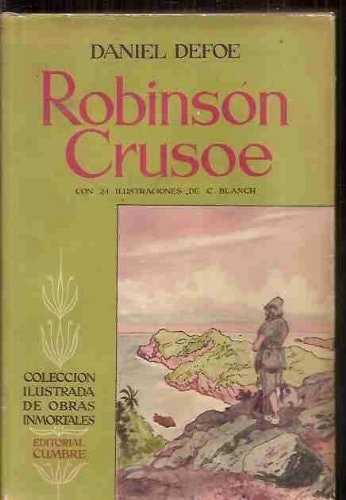
Robinson Crusoe
0
0
As an Amazon Associate and affiliate partner, Menrva Books earns from qualifying purchases. Learn more
Author Description
Robinson Crusoe is a novel by Daniel Defoe, first published on 25 April 1719. The first edition credited the work's protagonist Robinson Crusoe as its author, leading many readers to believe he was a real person and the book a travelogue of true incidents.Epistolary, confessional, and didactic in form, the book is presented as an autobiography of the title character (whose birth name is Robinson Kreutznaer), a castaway who spends 28 years on a remote tropical desert island near Trinidad, encountering cannibals, captives, and mutineers, before ultimately being rescued. The story has been thought to be based on the life of Alexander Selkirk, a Scottish castaway who lived for four years on a Pacific island called "Más a Tierra", now part of Chile, which was renamed Robinson Crusoe Island in 1966.Despite its simple narrative style, Robinson Crusoe was well received in the literary world and is often credited as marking the beginning of realistic fiction as a literary genre. It is generally seen as a contender for the first English novel. Before the end of 1719, the book had already run through four editions, and it has gone on to become one of the most widely published books in history, spawning so many imitations, not only in literature but also in film, television and radio, that its name is used to define a genre, the Robinsonade.
Menrva's Summary
THE PULSE
A shipwrecked mariner must navigate the psychological and physical isolation of a remote tropical island after his vessel is destroyed in a storm. Robinson Crusoe, driven by an impulsive desire for exploration, finds himself the sole survivor of a maritime disaster. His objective is to maintain his sanity and secure basic survival needs while contending with the harsh environment, the threat of hostile visitors, and the profound silence of his solitude. The narrative is presented as a first-person, epistolary autobiography that tracks his gradual transition from a desperate castaway to a self-sufficient master of his domain.
INSIDE THE PAGES
- Epistolary narrative structure presented as a personal journal
- Detailed documentation of primitive engineering and agricultural techniques
- Exploration of religious conversion and moral introspection
- Thematic focus on human ingenuity and self-reliance
- Cultural encounters with indigenous populations and mutineers
- Chronological progression spanning twenty-eight years of isolation
- Realistic depiction of environmental hazards and resource management
- Didactic tone reflecting eighteenth-century social and economic values
THE COLLECTIVE ECHO
Readers and critics frequently identify this work as a foundational text for the development of realistic fiction in the English language. Discussion often centers on the protagonist's methodical approach to survival and how his internal monologue reflects the colonial and religious attitudes of the era. Many analyses highlight the contrast between the book's simple, direct prose style and the complex philosophical questions it raises regarding solitude and human nature. The narrative's enduring influence is evident in the creation of the 'Robinsonade' genre, which continues to shape modern survival literature and media. Scholars often note that the book serves as both an adventure story and a detailed manual on the necessity of order in a chaotic world.
Page Count:
308
Publication Date:
1957-01-01
Publisher:
Pocket Library
ISBN-10:
0194226379
ISBN-13:
9780194226370
Fiction
Historical Fiction
Adventure
Classics
Art
Survival
Action Adventure
classic
Literature & Fiction
Classics
Historical
Genre Fiction
Family Saga
Community Tags
Other Editions(156)
Lebooks Editora
2025
Default edition
Lebooks Editora
2025

Double9 Books Llp
2025

E-Kitap Projesi & Cheapest Books
2024

Chiltern Publishing
2024
Repro India Limited
2023

Repro India Limited
2023
EdCon Publishing
2023
Prakash Books
2022

Bod Third Party Titles
2022

Bod Third Party Titles
2021
Ubu Editora
2021

Read Books Ltd.
2021
Digireads.com Publishing
2021
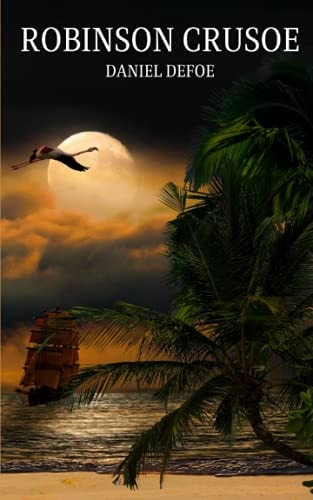
Independently published
2021
Amazon Digital Services LLC - KDP Print US
2021
Independently Published
2021

Independently Published
2021
Independently Published
2021
Independently Published
2021
Walker Books Australia Pty, Limited
2021

Independently Published
2021

Tantor and Blackstone Publishing
2021

True Sign Publishing House
2021
Independently Published
2021

Independently Published
2021
Independently Published
2021
Independently Published
2021

Independently Published
2020
Independently Published
2020
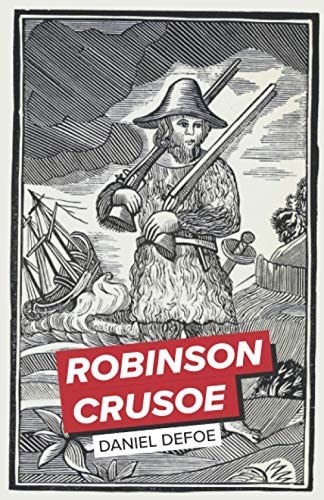
East India Publishing Company
2020

Independently Published
2020
Amazon Digital Services LLC - KDP Print US
2020
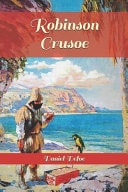
Independently Published
2020

Independently Published
2020
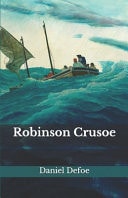
Independently Published
2020
Independently Published
2020
Blurb, Incorporated
2020
Independently Published
2020
Independently Published
2020
Independently Published
2020

Independently Published
2020

Independently Published
2020
Independently Published
2020
Independently Published
2020

Independently Published
2020
Independently Published
2020
Independently Published
2020
Amazon Digital Services LLC - KDP Print US
2020
Repro India Limited
2020
Amazon Digital Services LLC - KDP Print US
2019
Living Book Press
2019
Amazon Digital Services LLC - KDP Print US
2019
Independently Published
2019
Independently Published
2019

Independently Published
2019
Independently Published
2019
Amazon Digital Services LLC - KDP Print US
2019

Independently Published
2019

Independently Published
2019
Independently Published
2019

Turkuvaz Kitap
2019

Naxos and Blackstone Publishing
2019
Magdalene Press
2018

Salariya
2018

Fanucci Editore
2018
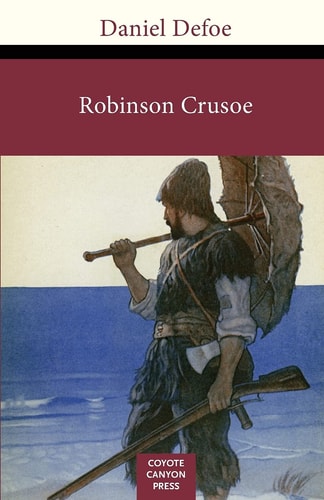
Coyote Canyon Press
2018

Biblok Book
2018
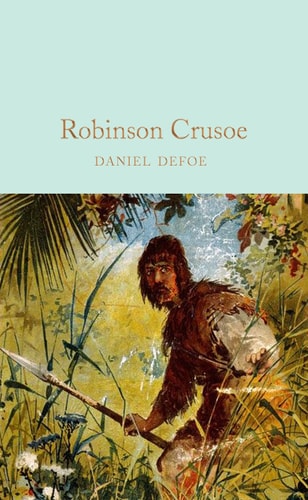
Macmillan Collector's Library
2017
Pan Macmillan UK
2017
Pan Macmillan
2017
Createspace Independent Publishing Platform
2017
National Geographic Books
2017
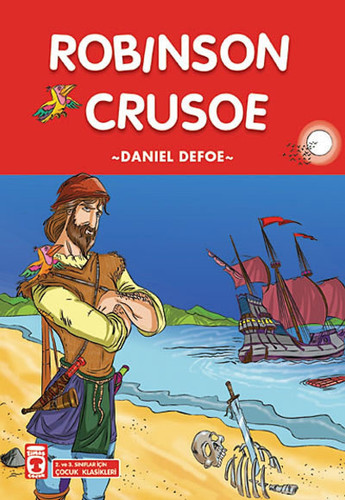
Timas Çocuk
2017

Fark Yayinlari
2017

Blackstone Publishing, Inc.
2016
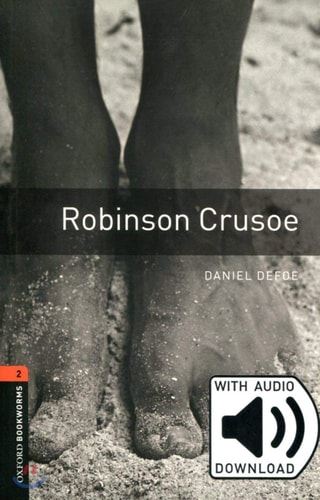
Oxford University Press España, S.A.
2016

Classic Comic Store, Limited
2016

Classic Comic Store, Limited
2015
Xist Publishing
2015
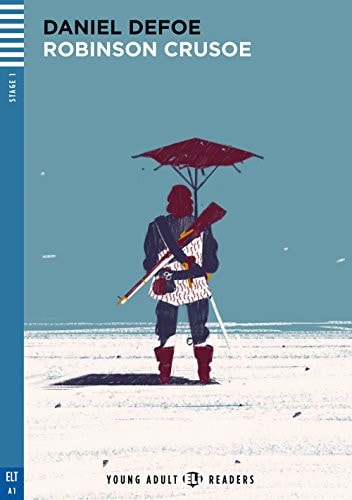
Klett
2015

Open Road Integrated Media, Inc.
2014
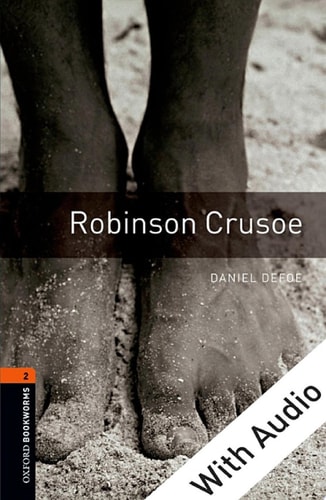
Oxford University Press
2014
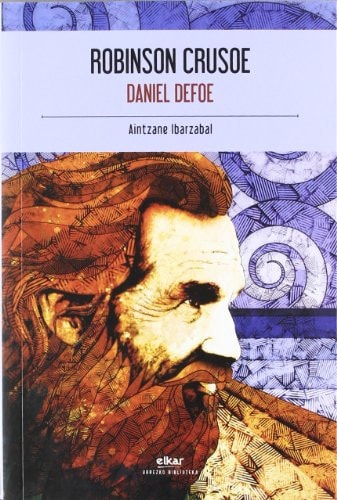
Elkarlanean, S.L.
2012

Simon & Brown
2012
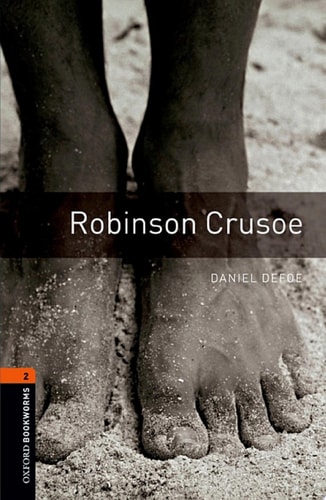
Oxford University Press
2012

Dover Publications, Incorporated
2012

Hayes Barton Press
2011

Pearson Education, Limited
2011
Random House
2010
CreateSpace Independent Publishing Platform
2010

ReadHowYouWant.com, Limited
2009

Pearson Education
2008

Penguin Group USA, Inc.
2008

Editores Mexicanos Unidos
2007
Townsend Library
2007

Castellnou Edicions
2006

Penguin Canada
2006
Ann Arbor Editions LLC
2006
Sterling Publishing Company, Inc.
2006
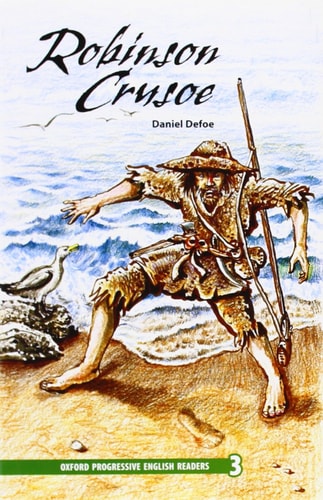
Oxford University Press España, S.A.
2005
1st World Library - Literary Society
2005

eBooksLib
2005
Al Liamm
2005
ICON Classics
2005

Mondadori
2004

MDS Books/Mediasat
2003

Mondadori
2003

Aladdin Paperbacks
2001
Dar El Maaref
2001
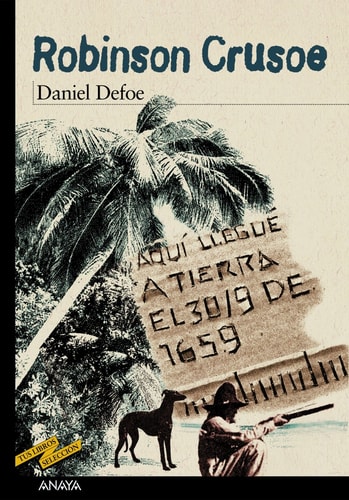
Anaya Infantil Y Juvenil
2000
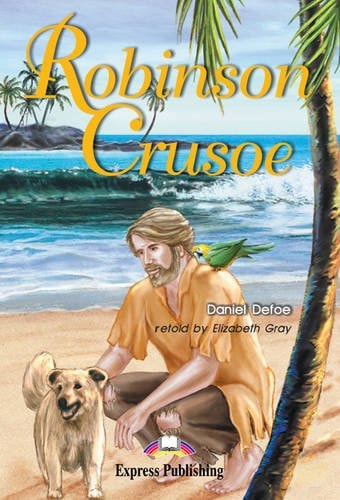
Express Publishing
2000
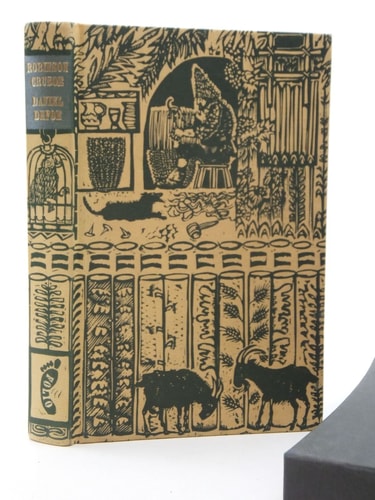
Oxford University Press
1999
Focus on the Family Publishing
1999
iUniverse
1999
Editores Mexicanos Unidos
1999
DK Pub.
1998

National Association for Visually Handicapped
1996
Alex Catalogue
1996
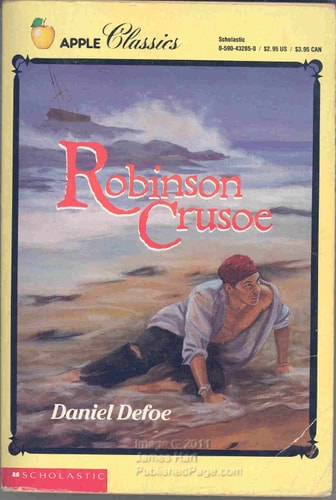
Scholastic, Incorporated
1995
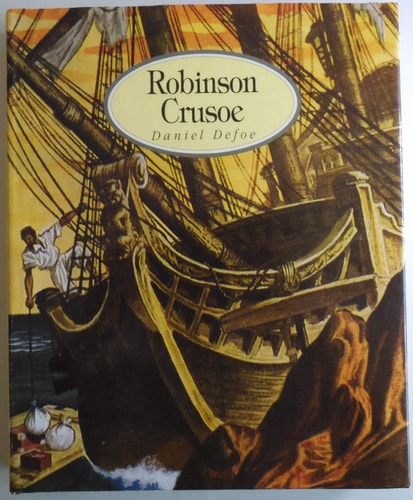
Barnes & Noble Books
1995
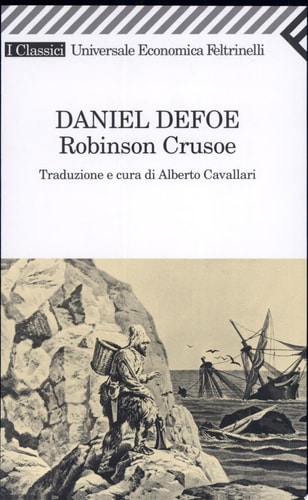
Feltrinelli Editore
1993
Knopf
1992

Multnomah Press
1991
Doubleday Religious Publishing Group
1991
Smithmark Publishers, Incorporated
1990
Barbour Publishing, Incorporated
1990

Scandinavia
1989

Random House Value Publishing
1988
Aerie
1988
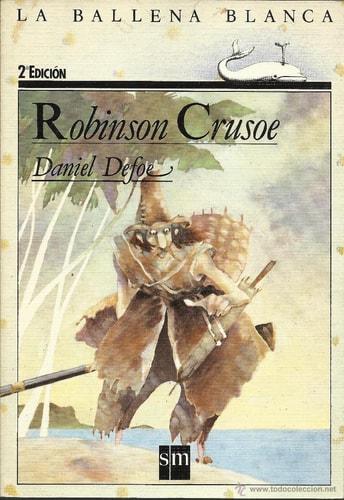
Ed. SM
1988

Fernández
1987

Hiares Editorial, S.A.
1987
Longman
1987
Orbis
1984
Simon and Schuster
1983

Random House Publishing Group
1982
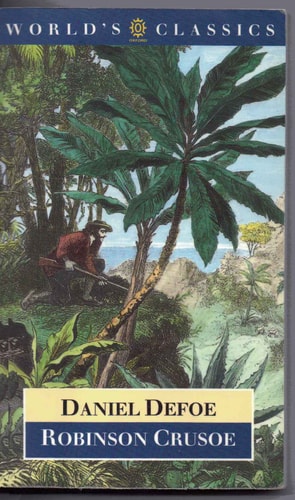
Oxford University Press
1982
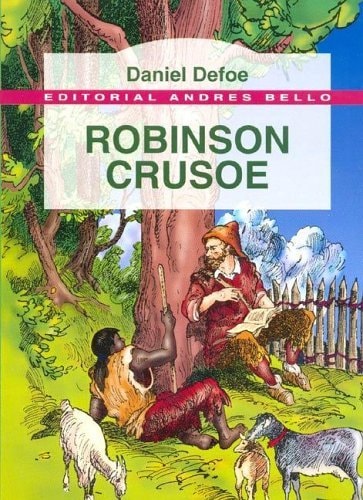
Editorial Andrés Bello
1982
Sharon Publications, Incorporated
1981
Scholastic Library Publishing
1981
Basilisk Press, The
1979
Oxford University Press
1977
Dent
1976

Susaeta
1974
Dent
1972

Random Library
1970
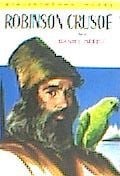
Walter J. Black, Inc. For Classics Club
1970
Airmont Books
1963
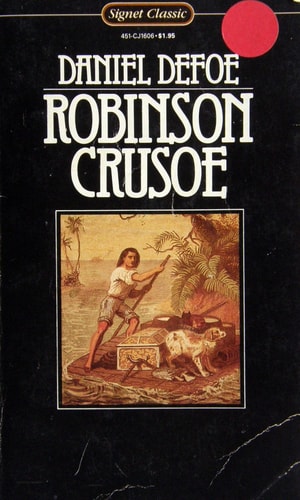
Longmans
1961

Spring Books
1959
Pocket Library
1957
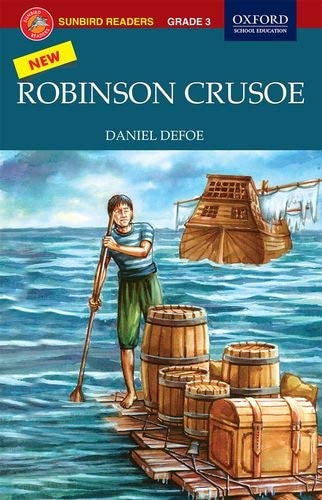
Campfire
1919

College Press Publishers
1900

Tom Doherty Associates, LLC
1900
McLoughlin Bros.
1815
Similar Books





Reader Comments
Share Your Thoughts
No comments yet. Be the first to share your thoughts!