The English Assassin
0
0
As an Amazon Associate and affiliate partner, Menrva Books earns from qualifying purchases. Learn more
Author Description
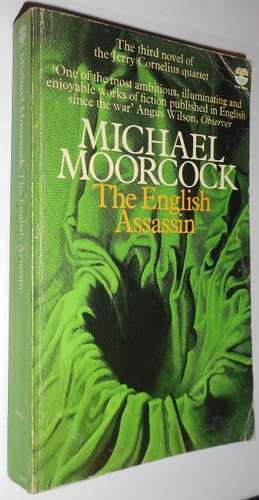
The English Assassin is the third of Michael Moorcock's Jerry Cornelius novels. It looks through a many-sided lens at English assumptions about themselves, about class, and about the Empire over the past seventy years. It includes all the familiar characters from previous Cornelius novels (Miss Brunner, Bishop Beesley, Frank Cornelius, etc) and introduces us to a host of colourful new ones (especially Jerry's unforgettable mother). The philosophical and moral themes of the book touch on a profusion of problems - violent revolution, the responsibilities of colonialism, racialism, sex and superstition - while the novel as a whole is always highly readable and entertaining.
Menrva's Summary
THE PULSE
Jerry Cornelius navigates a fractured, surreal landscape where the boundaries of identity and reality dissolve amidst the remnants of the British Empire. As he maneuvers through a series of chaotic encounters, Jerry must contend with his own family, including his formidable mother, and the shifting loyalties of figures like Miss Brunner and Bishop Beesley. The narrative operates as a non-linear, kaleidoscopic examination of English social structures, utilizing a fragmented style to mirror the instability of the world it depicts. Jerry’s objective remains elusive, often secondary to the barrage of philosophical inquiries and societal critiques that define his movements.
INSIDE THE PAGES
- Non-linear, episodic narrative structure that defies traditional plot progression
- Satirical exploration of British class systems and imperial legacy
- Recurring cast of characters from the Cornelius series
- Surrealist imagery and dream-like shifts in setting
- Integration of philosophical discourse on colonialism and racialism
- Stylistic experimentation with genre tropes, particularly spy fiction
- Meta-fictional commentary on the nature of the protagonist
- Rapid, disorienting shifts in tone and perspective
THE COLLECTIVE ECHO
This work is frequently analyzed as a quintessential example of the New Wave science fiction movement, noted for its stylistic audacity and rejection of traditional narrative constraints. Readers and critics often highlight the book's ability to blend high-concept satire with the tropes of pulp spy thrillers to create a unique, if challenging, reading experience. The text is recognized for its dense, allusive quality, which demands active engagement from the reader to parse its complex social commentary. While the fragmented nature of the story can be polarizing, it is widely regarded as a significant contribution to the experimental fiction of the late twentieth century.
Page Count:
256
Publication Date:
1972-01-01
Publisher:
Fontana/Collins
ISBN-10:
0006153429
ISBN-13:
9780006153429
Science Fiction
Satire
Spy Fiction
Literature & Fiction
Counterculture
Experimental
Community Tags
Similar Books