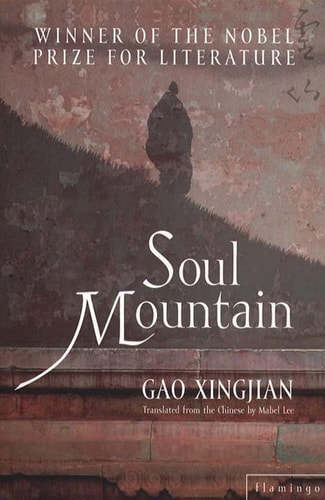
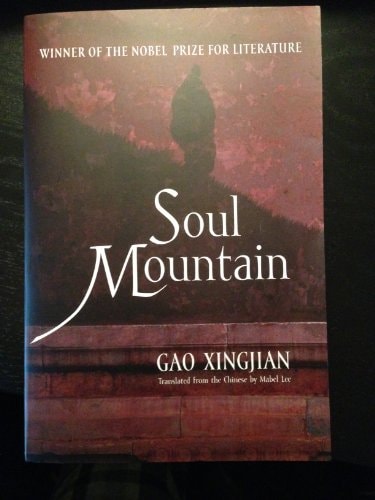
Soul Mountain
0
0
As an Amazon Associate and affiliate partner, Menrva Books earns from qualifying purchases. Learn more
Author Description
Winner of the Nobel Prize for Literature 2000. Part travel diary, part philosophy, part love story, 'Soul Mountain' is an elegant, unforgettable novel that journeys deep into the heart of modern-day China.In 1982 Chinese playwright, novelist and artist Gao Xingjian was diagnosed with lung cancer, the very disease that had killed his father. For six weeks Gao inhabited a transcendental state of imminent death, treating himself to the finest foods he could afford while spending time reading in an old graveyard in the Beijing suburbs. But a secondary examination revealed there was no cancer - he had won a 'reprieve from death' and had been thrown back into the world of the living.Faced with a repressive cultural environment and the threat of a spell in a prison farm, Gao fled Beijing. He travelled first to the ancient forests of central China and from there to the east coast, passing through eight provinces and seven nature reserves, a journey of fifteen thousand kilometres over a period of five months. The result of this epic voyage of discovery is 'Soul Mountain'.Interwoven into this picaresque journey are myriad stories and countless memorable characters - from venerable Daoist masters and Buddhist monks and nuns to mythical Wild Men; deadly Qichun snakes to farting buses. Conventions are challenged, preconceptions are thwarted and the human condition, with all its foibles and triumphs, is laid bare.
Menrva's Summary
THE PULSE
After receiving a false diagnosis of terminal cancer, a man embarks on a sprawling, transformative odyssey through the remote forests and provinces of China to escape both political repression and his own existential dread. The protagonist navigates a landscape that shifts between physical reality and internal reflection, seeking the mythical Lingshan, or Soul Mountain. His movement is tracked through a non-linear narrative structure that alternates between first-person, second-person, and third-person perspectives, effectively blurring the boundaries between the author, the narrator, and the reader. As he encounters diverse figures—from reclusive monks to local villagers—he confronts the constraints of a society in flux and the fragility of his own identity.
INSIDE THE PAGES
- Non-linear narrative structure that shifts between multiple points of view
- Integration of travel diary elements with philosophical inquiry
- Inclusion of folklore, mythology, and local legends
- Episodic encounters with a wide array of cultural archetypes
- Stylistic experimentation that challenges traditional novel conventions
- Vivid descriptions of the Chinese landscape and natural reserves
- Themes of existentialism, memory, and the search for spiritual autonomy
- Meta-fictional commentary on the act of writing and storytelling
THE COLLECTIVE ECHO
This work is widely regarded as a significant contribution to contemporary world literature, noted for its complex structure and profound exploration of the human condition. Critics often highlight the author's ability to weave personal trauma into a broader meditation on Chinese history and individual freedom. The narrative's refusal to adhere to standard plot progression is frequently cited as a deliberate choice to mirror the fragmented nature of memory and identity. Readers often find the text demanding yet rewarding, as it invites a deep engagement with its philosophical underpinnings and its lyrical, often surreal, prose style.
Page Count:
510
Publication Date:
2001-01-01
Publisher:
Flamingo
ISBN-10:
0007119232
ISBN-13:
9780007119233
Literary Fiction
Fiction
Visionary & Metaphysical
Autobiographical fiction
Literary
Chinese
Travelogue
Historical
Philosophical
Fairy Tales
Small Town
Community Tags
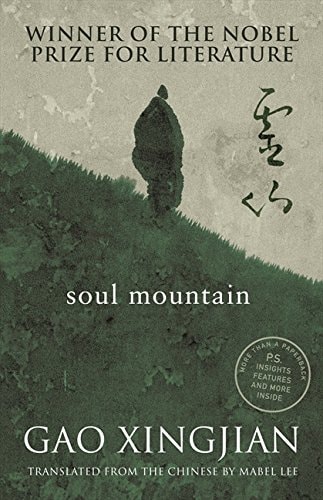
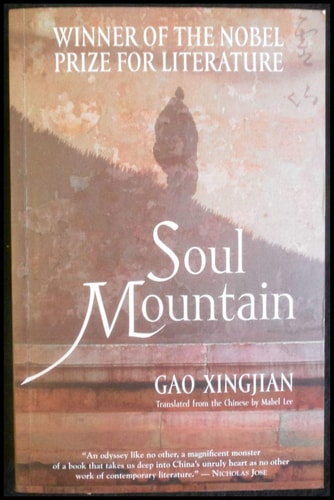
Other Editions(6)

Similar Books








Reader Comments
Share Your Thoughts
No comments yet. Be the first to share your thoughts!