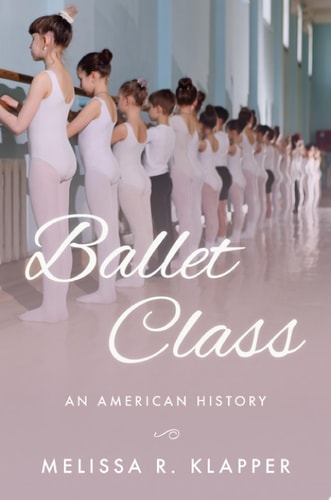
Ballet Class
0
0
As an Amazon Associate and affiliate partner, Menrva Books earns from qualifying purchases. Learn more
Author Description
Surveying The State Of American Ballet In A 1913 Issue Of Mcclure's Magazine, Author Willa Cather Reported That Few Girls Expressed Any Interest In Taking Ballet Class And That Those Who Did Were Hard-pressed To Find Anything Other Than Dingy Studios And Imperious Teachers. One Hundred Years Later, Ballet Is Everywhere. There Are Ballet Companies Large And Small Across The United States; Ballet Is Commonly Featured In Film, Television, Literature, And On Social Media; Professional Ballet Dancers Are Spokespeople For All Kinds Of Products; Nail Polish Companies Market Colors Like Ballet Slippers And Prima Ballerina; And, Most Importantly, Millions Of American Children Have Taken Ballet Class. Beginning With The Arrival Of Russian Dancers Like Anna Pavlova, Who First Toured The United States On The Eve Of World War I, Ballet Class: An American History Explores The Growth Of Ballet From An Ancillary Part Of Nineteenth-century Musical Theater, Opera, And Vaudeville To The Quintessential Extracurricular Activity It Is Today, Pursued By Countless Children Nationwide And An Integral Part Of Twentieth-century American Childhood Across Borders Of Gender, Class, Race, And Sexuality. A Social History, Ballet Class Takes A New Approach To The Very Popular Subject Of Ballet And Helps Ground An Art Form Often Perceived To Be Elite In The Experiences Of Regular, Everyday People Who Spent Time In Barre-lined Studios Across The United States. Drawing On A Wide Variety Of Materials, Including Children's Books, Memoirs By Professional Dancers And Choreographers, Pedagogy Manuals, And Dance Periodicals, In Addition To Archival Collections And Oral Histories, This Pathbreaking Study Provides A Deeply-researched National Perspective On The History And Significance Of Recreational Ballet Class In The United States And Its Influence On Many Facets Of Children's Lives, Including Gender Norms, Consumerism, Body Image, Children's Literature, Extracurricular Activities, And Popular Culture.
Menrva's Summary
THE THESIS
This book investigates how ballet transitioned from an obscure, elite performance art in the early twentieth century to a ubiquitous extracurricular activity for millions of American children. Author Melissa R. Klapper, a professor of history, utilizes a wide array of archival materials, memoirs, and pedagogical manuals to argue that recreational ballet has functioned as a significant social force. She examines how the practice has shaped and reflected American attitudes toward gender, consumerism, and childhood development over the last century.
THE SCOPE MAP
What You Will Find
- Historical analysis of ballet's growth from the arrival of Anna Pavlova to the present day.
- Examination of the intersection between ballet and social constructs like race, class, and sexuality.
- Investigation into the influence of ballet on children's literature, body image, and popular culture.
Scope Limits
- The text focuses primarily on the recreational and social history of ballet in the United States rather than a technical history of professional choreography or performance theory.
THE AUTHORITY PERSPECTIVE
Scholars and cultural historians recognize this work as a comprehensive study that successfully bridges the gap between dance history and social history. Readers frequently note the meticulous research and the author's ability to contextualize a niche activity within broader American cultural trends.
Page Count:
352
Publication Date:
2020-01-01
Publisher:
Oxford University Press
ISBN-10:
0190908696
ISBN-13:
9780190908690
History
Education
Dance
Social History
Community Tags
Similar Books