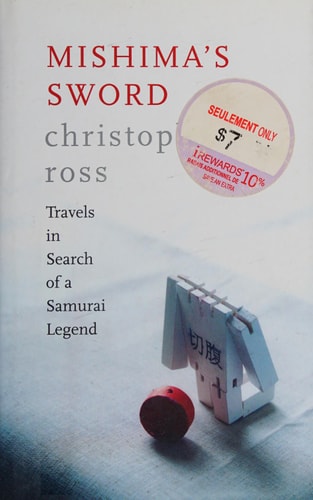
Mishima's Sword: Travels in Search of a Samurai Legend
0
0
As an Amazon Associate and affiliate partner, Menrva Books earns from qualifying purchases. Learn more
Author Description
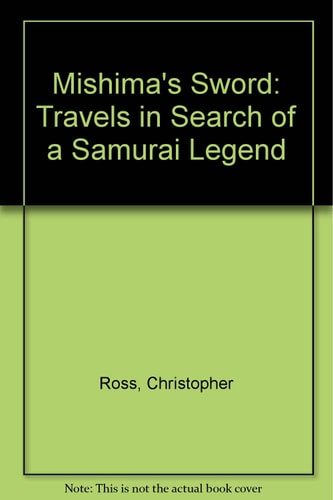
On 25th November 1970, After A Failed Coup D'etat, Japanese Writer Yukio Mishima Plunged A Knife Into His Tightly Muscled Belly, And Was Decapitated Using His Own Antique Sword. Mishima's Spectacular Suicide Has Been Called Many Things: A Hankering For Heroism; A Beautiful, Perverse Drama; A Political Protest Against Japan's Emasculated Post-war Constitution; The Last Act In A Theatre Of Death; The Epitaph Of A Mad Genius. But Which, If Any, Is Correct? And What Happened To Mishima's Sword? Thirty Years Later Christopher Ross Sets Off For Tokyo On A Journey Into The Heart Of The Mishima Incident. While Searching For Mishima's Sword And Re-assessing The Life And Anachronistic Death Of This Uniquely Complex Man, He Encounters Those Who Knew Mishima, Craftsmen And Critics, Soldiers And Swordsmen, Boyfriends And Biographers - Even The Man Who Taught Him Hara-kiri. The Cold Trail He Follows Inspires Digressions On, Amongst Other Things, Bushido And Socks, Mutineers And Noh Ghosts, Nosebleeds And Metallurgy - And How To Dress For Suicide. Like Tunnel Visions, Christopher Ross Has Written Another Unclassifiable Blend Of Travel Writing, Autobiography And Philosophical Quest, An Insider's Mesmeric Account Of Modern Japan And A Death That Still Haunts The Nation.--book Jacket.
Menrva's Summary
THE THESIS
This work investigates the enduring cultural and psychological resonance of Yukio Mishima’s 1970 ritual suicide by tracing the physical and symbolic history of the sword used in the act. Christopher Ross, an author known for his idiosyncratic approach to travel and cultural inquiry, utilizes a blend of investigative journalism, personal memoir, and historical analysis to deconstruct the mythos surrounding Mishima. By interviewing associates, craftsmen, and cultural observers, Ross attempts to reconcile the contradictions of a man who sought to revive anachronistic samurai ideals in a rapidly modernizing post-war Japan.
THE SCOPE MAP
What You Will Find
- Historical analysis of the 1970 Mishima incident and its political implications for post-war Japan.
- Interviews with individuals who knew Mishima, including biographers, soldiers, and associates.
- Cultural commentary on the evolution of Bushido and its relevance in contemporary Japanese society.
- Philosophical reflections on the intersection of aesthetics, violence, and national identity.
THE AUTHORITY PERSPECTIVE
The text offers a dense, subjective exploration of Japanese history that prioritizes atmospheric inquiry over traditional biographical structure. Its framing suggests an accessible yet unconventional look at the intersection of personal obsession and national trauma.
Page Count:
272
Publication Date:
2006-01-01
Publisher:
Fourth Estate
ISBN-10:
0007135084
ISBN-13:
9780007135080
Biography
Travel
History
Philosophy
Japan
Travel Writing
Community Tags
Similar Books