The Aesthetic Animal
0
0
As an Amazon Associate and affiliate partner, Menrva Books earns from qualifying purchases. Learn more
Author Description
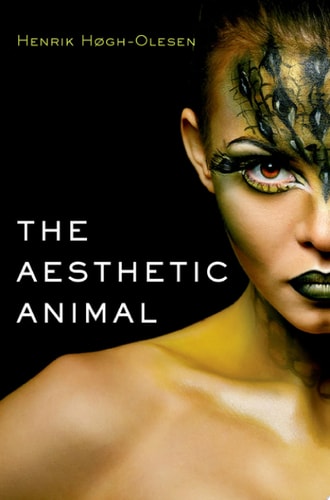
The Aesthetic Animal Answers The Ultimate Questions Of Why We Adorn Ourselves, Embellish Our Things And Surroundings, And Produce Art, Music, Song Dance, And Fiction. Humans Are Aesthetic Animals That Spend Vast Amounts Of Time And Resources On Seemingly Useless Aesthetic Activities. However, Nature Would Not Allow A Species To Waste Precious Time And Effort On Activities Completely Unrelated To Survival, Reproduction, And The Well-being Of That Species. Consequently, The Aesthetic Impulse Must Have Some Important Biological Functions. A Number Of Observations Indicate That The Aesthetic Impulse Is An Inherent Part Of Human Nature, And Therefore A Primary Impulse In Its Own Right With Several Important Functions: The Aesthetic Impulse May Guide Us Toward What Is Biologically Good For Us, And Help Us Choose The Right Fitness Enhancing Items In Our Surroundings. It Is A Valid Individual Fitness Indicator As Well As A Unifying Social Group Marker, And Aesthetically Skilled Individuals Get More Mating Possibilities, Higher Status And More Collaborative Offers. The Book Is Written In A Lively And Entertaining Tone, With Beautiful Color Illustrations. It Covers A Wide Field Of Aesthetic Behaviors From Cave Art, Graffiti, Tattoos, And Piercings Over Fashion, Design, Music, Song, And Dance. It Presents An Original And Comprehensive Synthesis Of The Empirical Field, Synthesizing Data From Archeology, Cave Art, Anthropology, Biology, Ethology, Behavioral- And Evolutionary Psychology And Neuro-aesthetics. It Is A Must-read For People Interested In Biology, Psychology, Anthropology, Architecture, Design, Fashion, Body Culture, Art, And The Evolution Of Aesthetics.
Menrva's Summary
THE THESIS
This book investigates the biological and evolutionary origins of the human aesthetic impulse, questioning why a species would dedicate significant resources to activities like art, music, and personal adornment. Henrik Høgh-Olesen, a professor of psychology, utilizes a multidisciplinary framework to argue that aesthetic behavior is not a frivolous byproduct but a primary impulse with distinct survival and reproductive advantages. By synthesizing data from archeology, ethology, and neuroaesthetics, the author posits that aesthetic choices serve as fitness indicators and social cohesion mechanisms.
THE SCOPE MAP
What You Will Find
- Analysis of aesthetic behaviors including cave art, body modification, fashion, and performance arts.
- Evolutionary theories regarding mate selection and status signaling through aesthetic skill.
- Integration of cross-disciplinary data from anthropology, biology, and behavioral psychology.
Scope Limits
- The text focuses primarily on evolutionary and biological drivers, providing less depth on purely cultural or subjective philosophical interpretations of art.
THE AUTHORITY PERSPECTIVE
Experts and readers note that the book provides a highly accessible synthesis of complex evolutionary theories for a general audience. The text is frequently cited for its ability to bridge the gap between hard biological sciences and the humanities, making it a useful resource for students and professionals in design and psychology.
Page Count:
240
Publication Date:
2018-01-01
Publisher:
Oxford University Press
ISBN-10:
0190927933
ISBN-13:
9780190927936
Evolutionary Psychology
Neuroaesthetics
Anthropology
Art History
Behavioral Science
Biology
Community Tags
Other Editions(2)

Similar Books