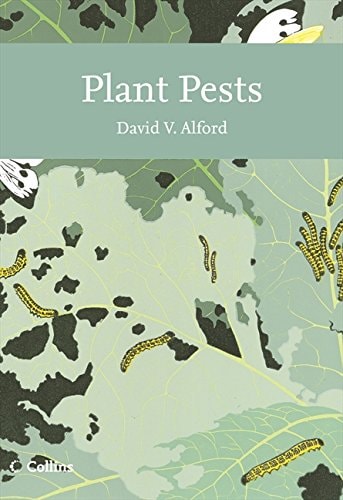
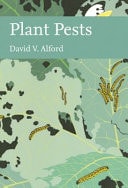
Plant Pests
0
0
As an Amazon Associate and affiliate partner, Menrva Books earns from qualifying purchases. Learn more
Author Description
Ever since man first cultivated plants and grew crops, insects, mites and other creatures have risen to prominence as pests, but it is only throughout the last two centuries that we have come to study them in any detail. Whereas in the past, emphasis has mainly been placed on ways to protect cultivated plants from attack or damage, nowadays our over-reliance on pesticides has been replaced by a far more enlightened approach to plant protection. Though chemical pesticides still have a role to play, environmental aspects and non-chemical means of pest control have become equally, if not more, important. This requires a greater appreciation of ecosystems, coupled with a greater understanding of individual pests, including their habits and their role in the environment. Drawing on a lifetime of experience, David V. Alford provides a fascinating account of the natural history of the insects and mites that inhabit our farms and gardens, and feed on our cultivated plants. He shows how and why the different operations of cultivation affect their world, and why plant pests should not be viewed as different from other wildlife. Coverage of pests includes aliens, and although emphasis is placed mainly on arable and horticultural field crops, pests of protected crops - both edible and non-edible - are also included. Details of pest life cycles, status, distribution and the damage they cause are given, and natural enemies of pests are examined. The author also explores the impact of pesticides, climate change and evolving crop management practices.
Menrva's Summary
THE THESIS
This work investigates the complex ecological relationship between cultivated plants and the insects, mites, and other organisms that inhabit them, arguing for a shift from chemical-heavy pest management to an integrated, ecosystem-based approach. Drawing on decades of professional experience, David V. Alford synthesizes biological data with agricultural history to provide a comprehensive framework for understanding pest behavior. The text challenges the traditional view of pests as mere nuisances, positioning them instead as integral components of the broader environment that require nuanced management strategies.
THE SCOPE MAP
What You Will Find
- Detailed life cycles, distribution patterns, and damage assessments for common agricultural and horticultural pests.
- An analysis of the shift from chemical pesticide reliance to integrated pest management and non-chemical control methods.
- Examination of the impact of climate change and evolving cultivation practices on pest populations.
- Insights into the role of natural enemies and ecosystem health in maintaining crop stability.
THE AUTHORITY PERSPECTIVE
The text serves as a comprehensive reference for students and practitioners of agriculture, offering a balanced view that prioritizes ecological understanding over simple eradication. Its focus on the natural history of pests provides a necessary foundation for modern, sustainable crop management practices.
Page Count:
500
Publication Date:
2011-01-01
Publisher:
Collins
ISBN-10:
0007338481
ISBN-13:
9780007338481
Reference
Gardening
Pest Control
Plants
Agriculture
Animals
Ecology
Horticulture
Insects & spiders
Social Science
Science
Life sciences
Nature
Technology & Engineering
Microbiology
Entomology
Community Tags
Other Editions(3)
Similar Books