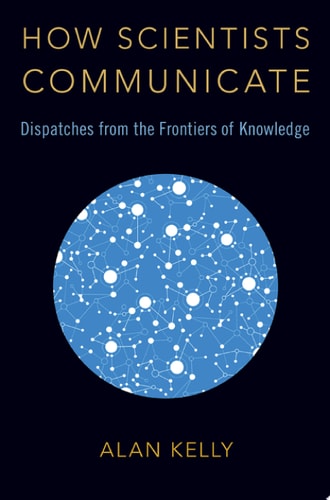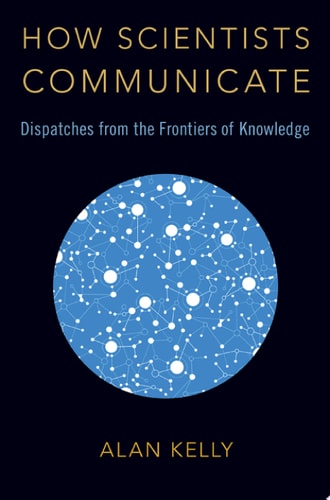
How Scientists Communicate
0
0
As an Amazon Associate and affiliate partner, Menrva Books earns from qualifying purchases. Learn more
Author Description
The Transmission Of Information Transcends Time. Since The Beginning Of Humanity, People Have Shared Stories, Dreams, Wishes, And Findings. Within A Scientific Context, The Delivery Of Information Is Especially Important. Researchers Have Been Sharing Their Ideas And Building On The Work Of Others For As Long As We Have Studied Our World. How Can A Researcher Ensure Their Ideas Will Be Shared Most Effectively With The Next Generation, Though? In How Scientists Communicate, Alan Kelly Accompanies Readers Through The Many Processes Of Scholarly Communication Within The Field Of Science. The Chapters Include An Analysis Of Modern Scientific Communication, An Overview Of The Historical Development Of Such Communication, The Nature And Goals Of A Scientific Research Paper, As Well As Practical And Applicable Information For Researchers. He Explores Scientific Communication From Various Perspectives, Including The Writing Process, Stages Of Writing, Evaluation Through Peer Review, Publication, And What Happens Afterwards. This Exploration Into Scientific Writing Emphasizes The Importance Of Readability And Writing For The Intended Audience. Kelly Engages With Landmark Historical Papers, But He Doesn't Shy Away From His Own Experiences And Opinions. This Treatise On The Art Of Scientific Communication Is Interesting For Readers With Various Levels Of Experience, Making This Book A Go-to Resource For Anyone Trying To Share Their Ideas Within The Scientific Community, Or Interested In How The Outputs Of Science Impact Our World.
Menrva's Summary
THE THESIS
This book investigates the mechanisms and historical evolution of scholarly communication to determine how researchers can most effectively disseminate their findings to the scientific community and future generations. Alan Kelly, drawing on his professional background and experience, provides a comprehensive framework for navigating the lifecycle of scientific writing. He argues that the efficacy of scientific progress relies heavily on the clarity, structure, and strategic delivery of research outputs to intended audiences.
THE SCOPE MAP
What You Will Find
- Historical development of scientific communication practices
- Analysis of the structure and goals of scientific research papers
- Methodologies for the writing and peer review process
- Strategies for post-publication engagement and impact
Scope Limits
- Does not provide a comprehensive guide to experimental design or laboratory techniques
- Does not cover non-English language scientific publishing standards
THE AUTHORITY PERSPECTIVE
Experts and readers recognize this work as a practical manual for navigating the complexities of academic publishing. The text is noted for its balance between historical context and actionable advice for researchers at various stages of their careers.
Page Count:
240
Publication Date:
2020-01-01
Publisher:
Oxford University Press
ISBN-10:
0190936614
ISBN-13:
9780190936617
Non-Fiction
Science
Academic writing
Communication
Community Tags
Similar Books