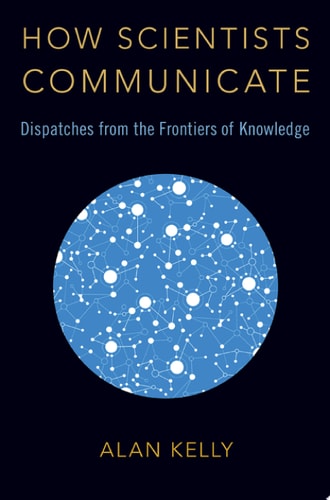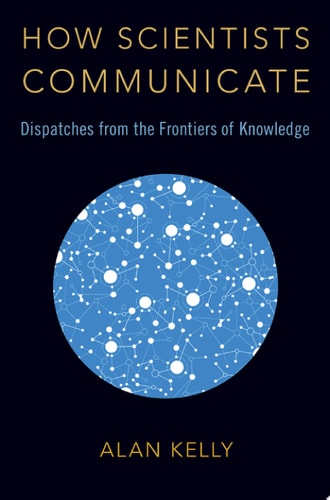
How Scientists Communicate: Dispatches from the Frontiers of Knowledge
0
0
As an Amazon Associate and affiliate partner, Menrva Books earns from qualifying purchases. Learn more
Author Description
The transmission of information transcends time. Since the beginning of humanity, people have shared stories, dreams, wishes, and findings. Within a scientific context, the delivery of information is especially important. Researchers have been sharing their ideas and building on the work of others for as long as we have studied our world. How can a researcher ensure their ideas will be shared most effectively with the next generation, though? In How Scientists Communicate, Alan Kelly accompanies readers through the many processes of scholarly communication within the field of science. The chapters include an analysis of modern scientific communication, an overview of the historical development of such communication, the nature and goals of a scientific research paper, as well as practical and applicable information for researchers. He explores scientific communication from various perspectives, including the writing process, stages of writing, evaluation through peer review, publication, and what happens afterwards. This exploration into scientific writing emphasizes the importance of readability and writing for the intended audience. Kelly engages with landmark historical papers, but he doesn't shy away from his own experiences and opinions. This treatise on the art of scientific communication is interesting for readers with various levels of experience, making this book a go-to resource for anyone trying to share their ideas within the scientific community, or interested in how the outputs of science impact our world.
Menrva's Summary
THE THESIS
How can researchers effectively transmit complex scientific findings to ensure their work influences the next generation and the broader scientific community? Alan Kelly, drawing on his background in scholarly communication, investigates the evolution and mechanics of scientific discourse. He presents a framework that balances historical context with the practical demands of modern research, arguing that clarity and audience awareness are the primary drivers of successful knowledge dissemination.
THE SCOPE MAP
What You Will Find
- Historical development of scientific communication and scholarly publishing
- Methodologies for drafting and structuring scientific research papers
- Analysis of the peer review process and post-publication impact
- Practical strategies for improving readability and audience engagement
THE AUTHORITY PERSPECTIVE
Experts and readers identify this work as a practical manual for researchers navigating the complexities of academic publishing. The text is noted for its accessible blend of historical analysis and actionable advice for writers at various stages of their careers.
Page Count:
217
Publication Date:
2020-01-01
Publisher:
Oxford University Press
ISBN-10:
0197521029
ISBN-13:
9780197521021
Science
Non-Fiction
Reference
Earth Sciences
Communication
Academic writing
Essays
Community Tags
Similar Books