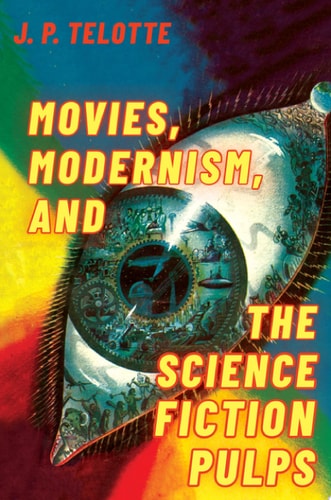
Movies, Modernism, and the Science Fiction Pulps
0
0
As an Amazon Associate and affiliate partner, Menrva Books earns from qualifying purchases. Learn more
Author Description
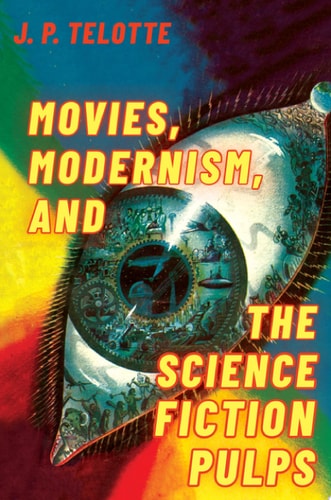
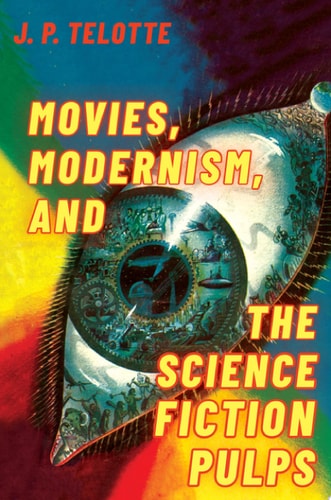
What impact did the new art of film have on the development of another new art, the emerging science fiction genre, during the pre- and early post-World War II era? Focusing on such popular pulp magazines as Amazing Stories, Astounding Stories, and Wonder Stories, this book traces this early relationship between film and literature through four common features: stories that involve film or the film industry; film-related advertising; editorial matters and readers' letters commenting on film; and the magazines' heralded cover and story illustrations. By surveying these haunting traces of another medium in early science fiction discourse, we can begin to see the key role that a cinematic mindedness played in this formative era and to expand the early history of science fiction as a cultural idea beyond the usual boundaries that have been staked out by its literary manifestations and the genre's historians.
Menrva's Summary
THE THESIS
This book investigates how the emerging medium of film influenced the development and cultural identity of science fiction pulp magazines during the pre- and early post-World War II era. J. P. Telotte, a scholar of film and literature, utilizes a historical framework to analyze the intersection of cinematic culture and pulp fiction. By examining editorial content, advertisements, and visual art, the author argues that a 'cinematic mindedness' was fundamental to the evolution of science fiction as a distinct cultural idea.
THE SCOPE MAP
What You Will Find
- Analysis of pulp magazines including Amazing Stories, Astounding Stories, and Wonder Stories.
- Examination of film-related advertising and editorial commentary within pulp publications.
- Study of the influence of film industry themes on early science fiction narratives.
- Review of cover art and story illustrations as visual evidence of cinematic influence.
Scope Limits
- The study focuses primarily on the pre- and early post-World War II period.
- The analysis is restricted to the relationship between film and specific pulp magazines rather than the entire history of the genre.
THE AUTHORITY PERSPECTIVE
Scholars and historians of science fiction recognize this work as a significant contribution to understanding the cross-media origins of the genre. Readers frequently note the academic rigor of the prose and the depth of the archival research presented.
Page Count:
202
Publication Date:
2019-08-08
Publisher:
Oxford University Press
ISBN-10:
0190949651
ISBN-13:
9780190949655
Media Studies
Science Fiction
Film Studies
Cultural History
Literary Criticism