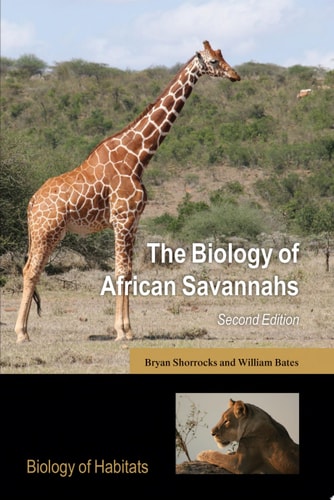
The Biology of African Savannahs
0
0
As an Amazon Associate and affiliate partner, Menrva Books earns from qualifying purchases. Learn more
Author Description
Savannah Habitats Comprise An Ecologically Important, But Ultimately Fragile, Ecosystem. They Constitute One Of The Largest Biomes On Earth, Covering Almost 20% Of The Land Surface, And Can Be Simply Described As Tropical And Subtropical Grasslands With Scattered Bushes And Trees. Most Savannahs Occur In Africa, Although Smaller Areas Can Be Found In South America, India, And Australia. They Form A Rich Mosaic Of Diverse Ecosystems, And This Book Offers A Concise But Comprehensive Introduction To Their Ecology, Biodiversity, And Conservation. The Biology Of African Savannahs Describes The Major Plants (grasses, And Trees Such As Acacia) And Animals (mainly Large Mammals) That Live In This Habitat, And Examines The Biological And Ecological Factors That Influence Their Population Size, Interactions (such As Predation), And Community Composition. Conservation Issues Such As Climate Change, Hunting, And Conflict Between Wildlife And Domestic Animals Are Also Discussed. This New Edition Has Been Updated Throughout With The Latest Research In The Field, And Contains New Technique Boxes Which Introduce Readers To Some Of The Analytical Methods Used To Study African Savannahs. This Accessible Text Is Suitable For Both Senior Undergraduate And Graduate Students Taking Courses In Savannah And Tropical Ecology As Part Of A Wider Ecology And/or Conservation Biology Degree Programme. It Will Also Be Of Relevance And Use To The Many Professional Ecologists And Conservation Practitioners Requiring A Concise But Authoritative Overview Of The Topic.
Menrva's Summary
THE THESIS
This text investigates the ecological mechanisms, biodiversity, and conservation challenges inherent to African savannah biomes. Authors Bryan Shorrocks and William Bates synthesize current research to provide a framework for understanding how biological factors influence population dynamics and community structure within these tropical and subtropical grasslands. The book serves as an academic resource that bridges the gap between theoretical ecology and practical conservation management.
THE SCOPE MAP
What You Will Find
- Analysis of major flora including grasses and Acacia trees
- Examination of large mammal population dynamics and predation interactions
- Discussion of anthropogenic pressures such as climate change, hunting, and human-wildlife conflict
- Technical boxes detailing analytical methods for field research
Scope Limits
- Primary focus remains on African savannahs, with only brief mentions of South American, Indian, or Australian counterparts
- Does not provide an exhaustive encyclopedia of every species, focusing instead on representative ecological groups
THE AUTHORITY PERSPECTIVE
Experts and academics recognize this text as a foundational overview suitable for senior undergraduate and graduate-level ecology curricula. Readers frequently note the balance between accessible prose and the technical rigor required for professional conservation practitioners.
Page Count:
336
Publication Date:
2014-01-01
Publisher:
Oup Oxford
ISBN-10:
0191007269
ISBN-13:
9780191007262
Science
Biology
Conservation
Ecology
Community Tags
Other Editions(3)
Similar Books






Reader Comments
Share Your Thoughts
No comments yet. Be the first to share your thoughts!