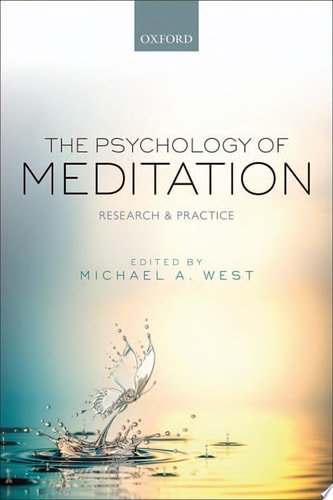
The Psychology of Meditation: Research and Practice
0
0
As an Amazon Associate and affiliate partner, Menrva Books earns from qualifying purchases. Learn more
Author Description
In the past 20 years meditation has grown enormously in popularity across the world, practised both by the general public, as well as by an increasing number of psychologists within their daily clinical practice. Meditation is now used to treat a range of disorders, including, depression, anxiety, eating disorders, chronic pain, and addiction. In the past twenty years we have also learned much more about the underlying neural bases for meditation, and why it works. The Psychology of Meditation: Research and Practice explores the practice of meditation and mindfulness and presents accounts of the cognitive and emotional processes elicited during meditation practice. Written by researchers and practitioners with considerable experience in meditation practice and from different religious or philosophical perspectives, he book examines the evidence for the effects of meditation on emotional and physical well-being in therapeutic contexts and in applied settings. The areas covered include addictions, pain management, psychotherapy, physical health, neuroscience, and the application of meditation in school and workplace settings. Uniquely, the contributors also present accounts of their own personal experience of meditation practice including their history of practice, phenomenology, and the impact it has had on their lives. Drawing on evidence from both research and practice, this is a valuable synthesis of the ways in which meditation can profoundly enrich human experience.
Menrva's Summary
THE THESIS
This book investigates the cognitive, emotional, and neurological mechanisms that underpin meditation and its efficacy as a therapeutic intervention. Michael A. West, an experienced researcher and practitioner, compiles contributions from various experts to bridge the gap between ancient contemplative traditions and modern clinical science. The text synthesizes empirical research with practical applications to explain how meditation influences physical and mental health across diverse settings.
THE SCOPE MAP
What You Will Find
- Analysis of the neural bases of meditation and mindfulness
- Clinical applications for depression, anxiety, addiction, and chronic pain
- Integration of meditation in educational and corporate environments
- First-person accounts of practitioner phenomenology and personal history
Scope Limits
- Does not provide a step-by-step instructional guide for beginners
- Does not focus on the theological or spiritual dogma of specific religious traditions
THE AUTHORITY PERSPECTIVE
Experts and clinicians frequently cite this text as a balanced resource that successfully integrates academic research with the subjective experience of practitioners. Readers often note the academic density of the prose, which makes it a suitable reference for professionals and students interested in the psychological underpinnings of mindfulness.
Page Count:
363
Publication Date:
2016-01-01
Publisher:
OUP Oxford
ISBN-10:
019100278X
ISBN-13:
9780191002786
Psychology
Self-help
History
Meditation
Linguistics
Self Help
English
Mental Health
Neuroscience
Mindfulness
Ancient History
English & College Success