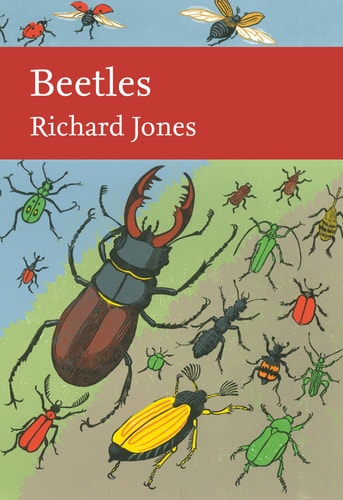
Beetles
0
0
As an Amazon Associate and affiliate partner, Menrva Books earns from qualifying purchases. Learn more
Author Description
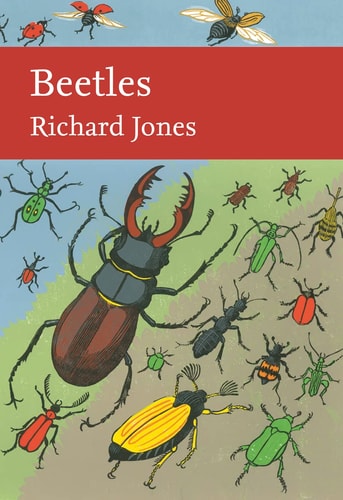
‘A truly excellent account’ British WildlifeBeetles are arguably the most diverse organisms in the world, with nearly half a million beetle species described and catalogued in our museums, more than any other type of living thing.This astonishing species diversity is matched by a similar diversity in shape, form, size, life history, ecology, physiology and behaviour. Beetles occur everywhere, and do everything. And yet they form a clearly discrete insect group, typically characterised by their attractively compact form, with flight wings folded neatly under smooth hard wing-cases. Almost anyone could recognise a beetle, indeed many are intimately associated with human society. Groups like ladybirds are familiar to us from a very young age. Large stag beetles and handsome chafers are celebrated for their imposing size and bright colours. The sacred scarabs of the ancient Egyptians were given iconic, if not god-like, status and even though the exact religious meanings may be fading after three millennia, their bewitching jewellery and monumental statuary inspire us still.Despite this ancient and easy familiarity with beetles, the Coleoptera remains tainted by the notion that it is a ‘difficult’ group of insects. The traditional routes into studying British natural history, through birdwatching, butterfly-collecting and pressing wild flowers, now extend to studying dragonflies, bumblebees, grasshoppers, moths, hoverflies and even shieldbugs. These are on the verge of becoming popular groups, but beetles remain the preserve of the expert, or so it seems. So many British beetles are easy to find and easy to identify by the non-expert, but that bewildering background diversity, and the daunting numbers of species in the Coleoptera as a whole, have been enough to dissuade many a potential coleopterist from grasping the nettle and getting stuck in.Richard Jones’ groundbreaking New Naturalist volume on beetles encourages those enthusiasts who would otherwise be put off by th
Menrva's Summary
THE THESIS
The Coleoptera, despite its ubiquity and ancient human association, remains perceived as a difficult group of insects to study. This volume aims to demystify the study of beetles, encouraging enthusiasts who might be deterred by the vast diversity and sheer number of species. It highlights that many British beetles are accessible to non-experts, challenging the notion that detailed knowledge is solely the preserve of specialists. The book seeks to bridge this gap, making the fascinating world of beetles more approachable.
THE SCOPE MAP
- An exploration of the astonishing diversity of beetle species, forms, life histories, ecologies, physiologies, and behaviors.
- Discussion of beetles' ubiquitous presence across all environments and their varied roles.
- Familiar examples of beetles, from ladybirds to stag beetles, and their association with human society.
- Historical and cultural significance of beetles, including the sacred scarabs of ancient Egypt.
- An argument against the perception of beetles as a 'difficult' insect group for study.
- Guidance and encouragement for potential coleopterists, addressing the daunting numbers of species.
- Focus on British natural history and accessible beetle identification for non-experts.
THE AUTHORITY PERSPECTIVE
This book is presented as an excellent account, particularly noted by British Wildlife. The description suggests it aims to make the study of beetles, a group often perceived as difficult, more accessible to a wider audience. It highlights the immense diversity within the Coleoptera and encourages enthusiasts to overcome potential intimidation from the sheer number of species. The text emphasizes that many British beetles are readily identifiable by non-experts, positioning the book as a guide for those interested in natural history.
Page Count:
496
Publication Date:
2018-01-25
Publisher:
William Collins
ISBN-10:
0008149526
ISBN-13:
9780008149529
Animals
Nature
Science
Non-Fiction
Coleopterology
Beetles
Community Tags
Other Editions(2)
Similar Books




Reader Comments
Share Your Thoughts
No comments yet. Be the first to share your thoughts!