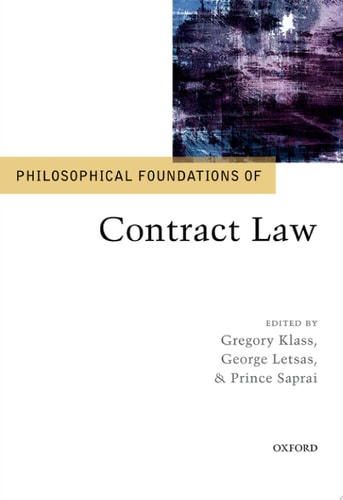
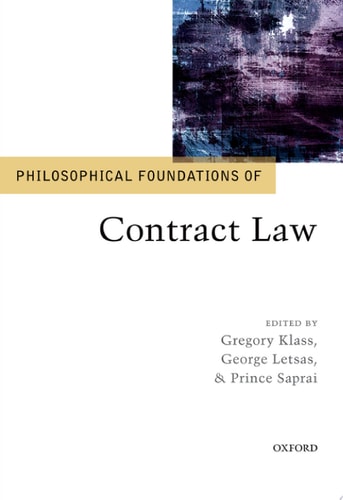
Philosophical Foundations of Contract Law
0
0
As an Amazon Associate and affiliate partner, Menrva Books earns from qualifying purchases. Learn more
Author Description
In Recent Years There Has Been A Revival Of Interest In The Philosophical Study Of Contract Law. In 1981 Charles Fried Claimed That Contract Law Is Based On The Philosophy Of Promise And This Has Generated What Is Today Known As 'the Contract And Promise Debate'. Cutting To The Heart Of Contemporary Discussions, This Volume Brings Together Leading Philosophers, Legal Theorists, And Contract Lawyers To Debate The Philosophical Foundations Of This Area Of Law. Divided Into Two Parts, The First Explores General Themes In The Contract Theory Literature, Including The Philosophy Of Promising, The Nature Of Contractual Obligation, Economic Accounts Of Contract Law, And The Relationship Between Contract Law And Moral Values Such As Personal Autonomy And Distributive Justice. The Second Part Uses These Philosophical Ideas To Make Progress In Doctrinal Debates, Relating For Example To Contract Interpretation, Unfair Terms, Good Faith, Vitiating Factors, And Remedies. Together, The Essays Provide A Picture Of The Current State Of Research In This Revitalized Area Of Law, And Pave The Way For Future Study And Debate.
Menrva's Summary
THE THESIS
This volume investigates the core philosophical justifications for contract law, specifically addressing the tension between promise-based theories and economic or moral frameworks. The editors, George Letsas, Gregory Klass, and Prince Saprai, curate a collection of essays from prominent philosophers and legal scholars to evaluate how abstract philosophical principles inform practical legal doctrine. The text serves as a comprehensive survey of the 'contract and promise' debate, analyzing the intersection of contractual obligation, personal autonomy, and distributive justice.
THE SCOPE MAP
What You Will Find
- Analysis of the philosophy of promising and its role in legal obligation
- Economic accounts of contract law versus moral value frameworks
- Application of philosophical theory to doctrinal issues like contract interpretation and good faith
- Examination of vitiating factors and remedies in contract law
Scope Limits
- The text does not provide a practitioner's guide to contract drafting or litigation strategy
- It does not cover the historical evolution of contract law outside of the context of modern philosophical debates
THE AUTHORITY PERSPECTIVE
Legal scholars and philosophers frequently cite this collection as a primary resource for understanding the contemporary landscape of contract theory. Experts highlight the text for its rigorous synthesis of abstract philosophy and concrete legal doctrine, making it a standard reference for advanced students and academics in the field.
Page Count:
500
Publication Date:
2014-01-01
Publisher:
Oup Oxford
ISBN-10:
0191022071
ISBN-13:
9780191022074
Philosophy
Jurisprudence
Contract law
Legal Theory
Law
Community Tags
Other Editions(4)

Similar Books