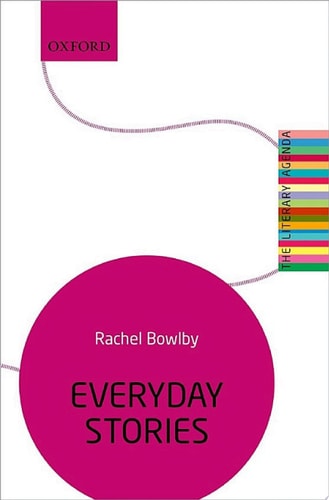
Everyday Stories
0
0
As an Amazon Associate and affiliate partner, Menrva Books earns from qualifying purchases. Learn more
Author Description
The Literary Agenda is a series of short polemical monographs about the importance of literature and of reading in the wider world and about the state of literary education inside schools and universities. The category of 'the literary' has always been contentious. What is clear, however, is how increasingly it is dismissed or is unrecognised as a way of thinking or an arena for thought. It is sceptically challenged from within, for example, by the sometimes rival claims of cultural history, contextualized explanation, or media studies. It is shaken from without by even greater pressures: by economic exigency and the severe social attitudes that can follow from it; by technological change that may leave the traditional forms of serious human communication looking merely antiquated. For just these reasons this is the right time for renewal, to start reinvigorated work into the meaning and value of literary reading. We live in days, no leaving them or choosing them. What's in a day? With their natural narrative arc they begin and they end, and in between we talk about how they are going or wonder 'where' they have gone. They each have their small stories, non-stories, ephemeral stories. So every day slips by, most days much like most other days. We eat, we sleep, we go to work; we endure, enjoy, continue. Day after day, day before day, it is the recurring of no particular story in endless, beginningless succession. At the same time, any single day is also a unique date, with its multi-digit identity, its moment-at last, and never again-of here and now, today. And on longer scales, the slow small shifts of ordinary days and their surrounding stories will eventually remake the days that have been and gone as the times that are no more. An ordinary day from decades, let alone centuries ago must now be a 'once' long passed away, the old days to be regretted-or to be revived in all the curiosity of their historical difference. Everyday Stories makes us think again about th
Menrva's Summary
THE THESIS
How does the concept of the 'everyday' function within literature, and why does this mundane temporal structure remain vital for human understanding? Rachel Bowlby, a scholar of literature and cultural history, examines the intersection of daily life and narrative form. She argues that the repetitive, often unremarkable nature of our daily existence provides a unique framework for understanding both personal experience and historical change, challenging the dismissal of literary reading in an era of technological and economic pressure.
THE SCOPE MAP
What You Will Find
- Analysis of the 'everyday' as a recurring narrative structure in literature.
- Philosophical inquiry into the tension between the unique 'here and now' and the repetitive nature of daily routines.
- Examination of how historical distance transforms ordinary days into objects of curiosity or regret.
Scope Limits
- The text does not provide a comprehensive history of the novel or a survey of all literary genres.
- It focuses specifically on the thematic concept of the day rather than providing a technical manual for creative writing.
THE AUTHORITY PERSPECTIVE
Critics and scholars recognize this work as a thoughtful contribution to the Literary Agenda series, noting its accessible yet intellectually rigorous approach to temporal themes. Readers frequently highlight the author's ability to bridge the gap between abstract philosophical concepts and the tangible experience of daily life.
Page Count:
191
Publication Date:
2016-01-01
Publisher:
OUP Oxford
ISBN-10:
0191043486
ISBN-13:
9780191043482
Philosophy
Non-Fiction
Essays
Literary Criticism
English literature
English & College Success
English
Community Tags
Other Editions(2)
Similar Books

Reader Comments
Share Your Thoughts
No comments yet. Be the first to share your thoughts!