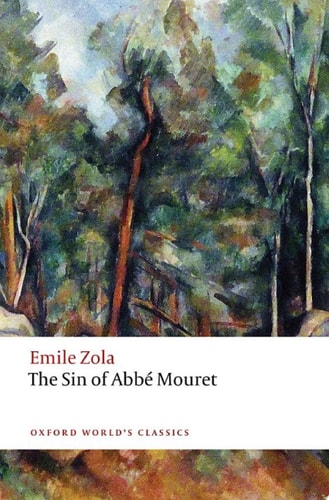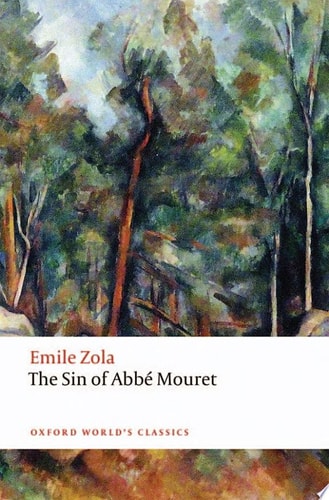
The Sin of Abbé Mouret
0
0
As an Amazon Associate and affiliate partner, Menrva Books earns from qualifying purchases. Learn more
Author Description
'I really don't understand how people can blame a priest so much, when he strays from the path.' The Sin of Abbé Mouret tells the compelling story of the young priest Serge Mouret. Striving after spiritual purity and sanctity, he lives a life of constant prayer, but his neglect of all physical needs leads to serious illness, followed by amnesia. No longer knowing he is a priest, he falls in love with his nurse Albine. Together, like a latter-day Adam and Eve, they roam through an Eden-like garden called the 'Paradou', seeking a forbidden tree in whose shade they will make love. Zola memorably shows their gradual awakening to sexuality, and his poetic descriptions of the luxuriant and beautiful Paradou create a lyrical celebration of nature. When Serge regains his memory and recalls his priestly vows, anguish inevitably follows. The whole story, with its numerous biblical parallels, becomes a poetic reworking of the Fall of Man and a questioning of the very meaning of innocence and sin. Zola explores the conflict between Church and nature, the sterility of the Church and the fertility of nature. This new translation includes a wide-ranging and helpful introduction and explanatory notes.
Menrva's Summary
THE PULSE
A devout young priest faces a crisis of faith when a severe illness strips away his memory and forces him to confront the primal pull of human desire. Serge Mouret, a fragile and ascetic priest, attempts to reconcile his rigid religious devotion with the overwhelming vitality of the natural world. After collapsing from physical exhaustion, he loses his memory and finds himself under the care of Albine, a woman who introduces him to the sensory richness of the Paradou garden. The narrative follows their descent into an Edenic existence, where Serge must navigate the tension between his reclaimed priestly identity and his burgeoning carnal instincts. Zola employs a lush, descriptive style to contrast the sterile confines of the church with the untamed, fertile landscape of the garden.
INSIDE THE PAGES
- Exploration of the conflict between religious asceticism and natural instinct
- Use of the Paradou garden as a central symbolic setting
- Incorporation of biblical parallels and the myth of the Fall of Man
- Detailed, lyrical descriptions of flora and natural growth
- Psychological examination of amnesia and identity formation
- Third-person narrative perspective with a focus on sensory experience
- Thematic focus on the sterility of dogma versus the fertility of nature
- Gradual transition from innocence to sexual awakening
THE COLLECTIVE ECHO
Readers and critics frequently highlight the contrast between the claustrophobic atmosphere of the church and the vibrant, sensory-rich descriptions of the Paradou garden. Discussion often centers on Zola's use of naturalism to critique the psychological toll of religious repression on the human spirit. Many observers note the effectiveness of the Edenic allegory, which serves to heighten the tragedy of Serge's inevitable return to his vows. The pacing is often described as deliberate and poetic, prioritizing atmospheric world-building over rapid plot progression. This work remains a significant point of analysis for those interested in the intersection of nineteenth-century religious conflict and the emergence of naturalistic literary techniques.
Page Count:
336
Publication Date:
2017-01-01
Publisher:
Oxford University Press
ISBN-10:
0191056332
ISBN-13:
9780191056338
Romance
Religious Fiction
French literature
Naturalism
Classic Literature