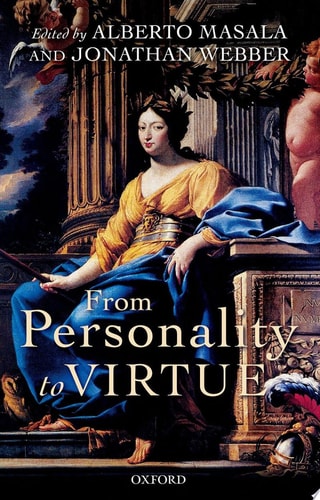
From Personality To Virtue
0
0
As an Amazon Associate and affiliate partner, Menrva Books earns from qualifying purchases. Learn more
Author Description
Character Plays A Central Role In Our Everyday Understanding And Evaluation Of Ourselves And One Another. It Informs The Expectations That Ground Our Plans And Projects, Our Moral Responses To Other People's Behaviour And To Opportunities We Ourselves Face, And Our Political Decisions Concerning Formal Education, Criminal Punishment, And Other Aspects Of Social Organisation. The Very Idea That People Have Persisting Character Traits That Explain Their Behaviour Is Woven Throughout The Fabric Of Our Culture. These Philosophical Essays Clarify This Idea Of Character, Analyse Its Relation With The Findings Of Experimental Psychology, And Draw Out The Implications Of This For Education And For Criminal Punishment. They Bring Together A Range Of Issues In Contemporary Philosophy, Including The Nature Of Agency, The Modelling Of Behavioural Cognition, Ethical Implications Of Personal Necessity, Moral Responsibility For Implicit Bias, The Prospects For Character Education, And The Nature Of Rightful Criminal Punishment. The Essays Emphasise That Character Is Inherently Dynamic, Challenging The Tendency Among Personality Psychologists And Virtue Ethicists Alike To Focus On Static Snapshots Of Traits, And They Emphasise The Close Integration Of Character With The Individual's Social Context, Seeking To Accommodate The Situationist Experimental Findings Within A Picture Of Behaviour As Manifesting Stable Character Traits. The Volume Is Intended To Demonstrate The Deep Conceptual Affinity Of Moral Philosophy And Social Psychology And The Consequent Potential For Each To Benefit From The Other.
Menrva's Summary
THE THESIS
This volume investigates the conceptual relationship between persistent character traits and human behavior, questioning how philosophical theories of virtue align with empirical findings from experimental psychology. The editors, Alberto Masala and Jonathan Webber, curate a collection of essays that bridge the gap between moral philosophy and behavioral science. By examining the nature of agency, implicit bias, and moral responsibility, the contributors argue for a dynamic model of character that remains stable despite situational influences.
THE SCOPE MAP
What You Will Find
- Analysis of the intersection between virtue ethics and situationist psychology
- Theoretical frameworks regarding moral responsibility and implicit bias
- Applications of character theory to educational policy and criminal justice systems
- Discussions on the nature of behavioral cognition and personal necessity
Scope Limits
- The text does not provide a comprehensive history of virtue ethics
- It does not offer a practical self-help guide for personal character development
THE AUTHORITY PERSPECTIVE
Experts identify this collection as a significant contribution to the ongoing dialogue between analytic philosophy and the social sciences. Scholars frequently note the academic density of the prose, positioning the work as a resource for advanced students and researchers in ethics and psychology.
Page Count:
240
Publication Date:
2016-01-01
Publisher:
Oxford University Press
ISBN-10:
0191063789
ISBN-13:
9780191063787
Philosophy
Psychology
Ethics
Moral Philosophy
Virtue Ethics
Community Tags
Similar Books