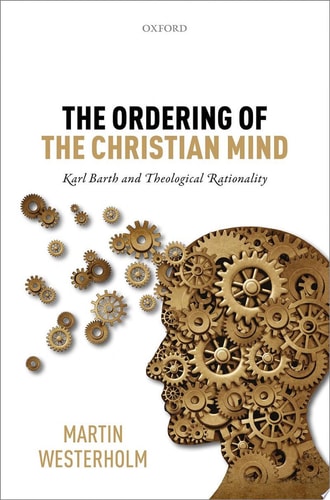
The Ordering of the Christian Mind
0
0
As an Amazon Associate and affiliate partner, Menrva Books earns from qualifying purchases. Learn more
Author Description
The Adequacy Of Karl Barth's Conception Of Theological Reasoning Is A Decisive Point Of Contention In Assessments Of The Legacy And Potential Of Twentieth-century Theology. Barth's Work Is A Formative Point From Which Other Twentieth-century Figures Take Their Orientation; Later Thinkers Have Most Often Taken Their Leave From His Work By Suggesting That It Reflects An Underdeveloped Conception Of The Activities Of Human Reason. The Regularity With Which Other Thinkers Orient Themselves In Relation To Barth By Pointing To A Positivism, Faith Subjectivism, Or Fideism In His Work Elevates The Question Of Theological Reasoning To A Decisive Point In The Comprehension Of Twentieth-century Theology. The Ordering Of The Christian Mind Facilitates Evaluation Of Barth's Work By Reconstructing His Conception Of The Activities Of Reason. It Does So, First, By Reframing The Question. Martin Westerholm Shows That Barth's Understanding Of The Moral Structure Of The Relation Between God And Creatures Demands That The Question Of Theological Reasoning Be Approached Through An Ethical Inquiry Into The Proper Ordering Of The Activities Of The Mind. Secondly, Westerholm Deploys A New Set Of Categories Through Which Barth's Work Can Be Described. He Shows That, By Working Through An Account Of The Noetic Corollaries Of Faith And Of The Understanding Of Faith, Barth Develops A Coherent And Compelling Account Of The Standpoint, Orientation, And Freedom Of Theological Reasoning. Development Of This Material Is Accompanied By New Accounts Of Barth's Earlier Theology Of The Resurrection, His Theological Development, And The Significance Of His Engagement With Anselm.
Menrva's Summary
THE THESIS
This book investigates whether Karl Barth’s conception of theological reasoning is adequate by examining the moral and noetic structure of his work. Martin Westerholm, a scholar of systematic theology, utilizes a rigorous analytical framework to reframe the debate surrounding Barth’s legacy. By focusing on the ethical dimensions of human reason in relation to the divine, the author argues that Barth’s methodology is more coherent and intentional than many of his critics have previously suggested.
THE SCOPE MAP
What You Will Find
- A detailed reconstruction of Barth’s understanding of the activities of human reason.
- An ethical inquiry into the proper ordering of the mind within the context of faith.
- Analysis of the noetic corollaries of faith and the understanding of faith.
- Re-evaluations of Barth’s early theology of the resurrection and his engagement with Anselm.
Scope Limits
- The text does not provide a general biography of Karl Barth.
- It does not attempt to cover the entirety of twentieth-century theology beyond its specific focus on Barth’s reasoning.
THE AUTHORITY PERSPECTIVE
Scholars in the field of systematic theology recognize this work as a significant contribution to the ongoing debate regarding Barthian methodology. Readers frequently note the academic density of the prose, which is intended for an audience already familiar with the primary texts of Karl Barth.
Page Count:
344
Publication Date:
2015-01-01
Publisher:
Oxford University Press
ISBN-10:
0191067377
ISBN-13:
9780191067372
Philosophy
Theology
Academic
Religious History
Karl Barth
Community Tags
Similar Books