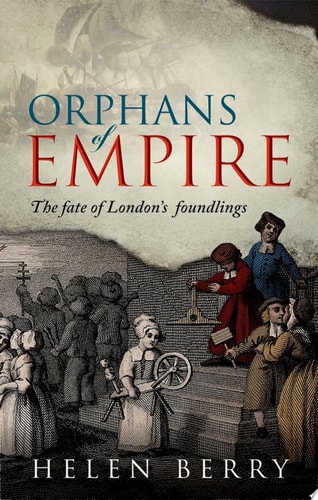
Orphans of Empire
0
0
As an Amazon Associate and affiliate partner, Menrva Books earns from qualifying purchases. Learn more
Author Description
Eighteenth-century London Was Teeming With Humanity, And Poverty Was Never Far From Politeness. Legend Has It That, On His Daily Commute Through This Thronging Metropolis, Captain Thomas Coram Witnessed One Of The City's Most Shocking Sights-the Widespread Abandonment Of Infant Corpses By The Roadside. He Could Have Just Passed By. Instead, He Devised A Plan To Create A Charity That Would Care For These Infants; One That Was To Have Enormous Consequences For Children Born Into Poverty In Britain Over The Next Two Hundred Years. Orphans Of Empire Tells The Story Of What Happened To The Thousands Of Children Who Were Raised At The London Foundling Hospital, Coram's Brainchild, Which Opened In 1741 And Grew To Become The Most Famous Charity In Georgian England. It Provides Vivid Insights Into The Lives And Fortunes Of London's Poorest Children, From The Earliest Days Of The Foundling Hospital To The Mid-victorian Era, When Charles Dickens Was Moved By His Observations Of The Charity's Work To Campaign On Behalf Of Orphans. Through The Lives Of London's Foundlings, This Book Provides Readers With A Street-level Insight Into The Wider Global History Of A Period Of Monumental Change In British History As The Nation Grew Into The World's Leading Superpower. Some Foundling Children Were Destined For Britain's 'outer Empire' Overseas, But Many More Toiled In The 'inner Empire', Labouring In The Cotton Mills And Factories Of Northern England At The Dawn Of The New Industrial Age. Through Extensive Archival Research, Helen Berry Uncovers Previously Untold Stories Of What Happened To Former Foundlings, Including The Suffering And Small Triumphs They Experienced As Child Workers During The Upheavals Of The Industrial Revolution. Sometimes, Using Many Different Fragments Of Evidence, The Voices Of The Children Themselves Emerge. Extracts From George King's Autobiography, The Only Surviving First-hand Account Written By A Foundling Hospital Child Born In The Eighteenth Century, Pu
Menrva's Summary
THE THESIS
This book investigates the long-term social and economic outcomes for children raised within the London Foundling Hospital, established in 1741. Helen Berry, a historian specializing in the social history of Georgian England, utilizes extensive archival records and primary source materials to reconstruct the lives of these marginalized individuals. The work argues that the experiences of these foundlings provide a critical lens through which to view the broader shifts in British society, from the expansion of the empire to the harsh realities of the early Industrial Revolution.
THE SCOPE MAP
What You Will Find
- Detailed analysis of the London Foundling Hospital's operational history from 1741 to the mid-Victorian era.
- Examination of the transition of foundlings into the labor force of the 'inner Empire' and cotton mills.
- Integration of rare primary source materials, including the autobiography of George King.
Scope Limits
- The narrative focuses primarily on the experiences of children within the British institutional system and does not provide a comprehensive global history of all foundling charities.
THE AUTHORITY PERSPECTIVE
Historians and reviewers frequently commend the book for its meticulous archival research and its ability to humanize the statistical history of institutionalized children. Scholars note that the text serves as a significant contribution to the study of Georgian social welfare and the human cost of industrialization.
Page Count:
336
Publication Date:
2019-01-01
Publisher:
Oxford University Press
ISBN-10:
0191076112
ISBN-13:
9780191076114
Biography
History
Non-Fiction
British History
18th century
Social History
Community Tags
Other Editions(2)

Similar Books









Reader Comments
Share Your Thoughts
No comments yet. Be the first to share your thoughts!