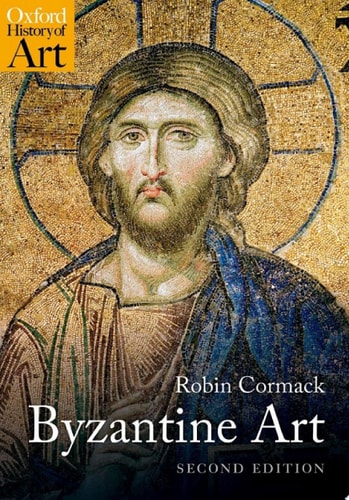
Byzantine Art
0
0
As an Amazon Associate and affiliate partner, Menrva Books earns from qualifying purchases. Learn more
Author Description
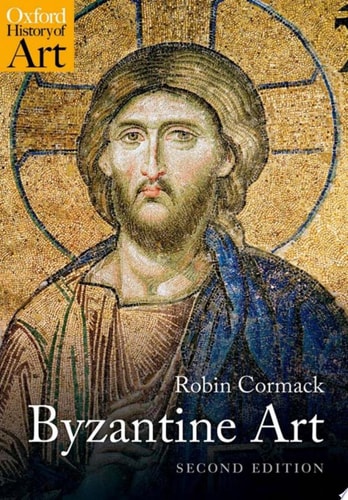
The opulence of Byzantine art, with its extravagant use of gold and silver, is well known. Highly skilled artists created powerful representations reflecting and promoting this society and its values in icons, illuminated manuscripts, and mosaics and wallpaintings placed in domed churches and public buildings. This complete introduction to the whole period and range of Byzantine art combines immense breadth with interesting historical detail. Robin Cormack overturns the myth that Byzantine art remained constant from the inauguration of Constantinople, its artistic centre, in the year 330 until the fall of the city to the Ottomans in 1453. He shows how the many political and religious upheavals of this period produced a wide range of styles and developments in art. This updated, colour edition includes new discoveries, a revised bibliography, and, in a new epilogue, a rethinking of Byzantine Art for the present day.
Menrva's Summary
THE THESIS
This book investigates the evolution of Byzantine art, challenging the misconception that its aesthetic remained static throughout the empire's existence. Robin Cormack, a distinguished scholar in the field of Byzantine studies, utilizes historical context and material analysis to demonstrate how political and religious shifts directly influenced artistic production. By examining the period from 330 to 1453, he provides a framework that links the visual culture of the era to the changing values of the society that produced it.
THE SCOPE MAP
What You Will Find
- Analysis of icons, illuminated manuscripts, mosaics, and wall paintings
- Historical survey of Byzantine artistic development from 330 to 1453
- Examination of the relationship between political upheaval and stylistic change
- Updated bibliography and contemporary reflections on the legacy of Byzantine art
Scope Limits
- Does not provide an exhaustive catalog of every surviving Byzantine artifact
- Focuses primarily on the artistic center of Constantinople rather than peripheral regions
THE AUTHORITY PERSPECTIVE
Experts recognize this work as a foundational and accessible introduction to the complexities of Byzantine visual culture. Readers frequently note that the text successfully balances academic rigor with a clear, engaging narrative style.
Page Count:
263
Publication Date:
2018-01-01
Publisher:
OUP Oxford
ISBN-10:
0191084476
ISBN-13:
9780191084478
Architecture
Byzantine History
Humanities
Religious Art
Art History
European
art byzantine
Medieval Art
Community Tags
Other Editions(3)

Similar Books