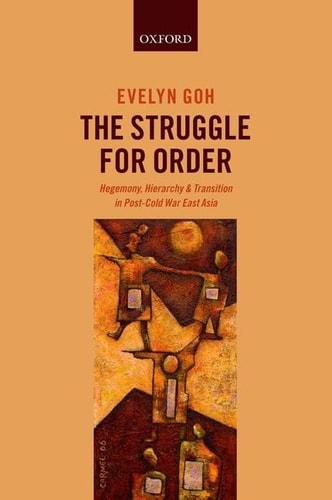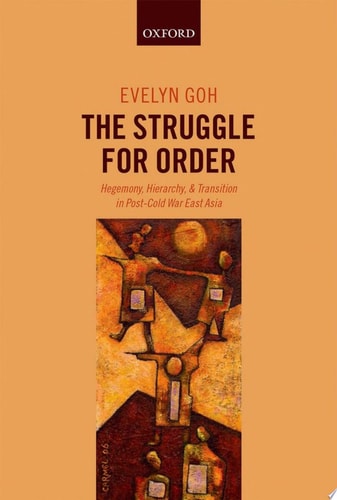
Struggle for Order: Hegemony, Hierarchy, and Transition in Post-Cold War East Asia
0
0
As an Amazon Associate and affiliate partner, Menrva Books earns from qualifying purchases. Learn more
Author Description
How Has World Order Changed Since The Cold War Ended? Do We Live In An Age Of American Empire, Or Is Global Power Shifting To The East With The Rise Of China? Arguing That Existing Ideas About Balance Of Power And Power Transition Are Inadequate, This Book Gives An Innovative Reinterpretation Of The Changing Nature Of U.s. Power, Focused On The 'order Transition' In East Asia. Hegemonic Power Is Based On Both Coercion And Consent, And Hegemony Is Crucially Underpinned By Shared Norms And Values. Thus Hegemons Must Constantly Legitimize Their Unequal Power To Other States. In Periods Of Strategic Change, The Most Important Political Dynamics Centre On This Bargaining Process, Conceived Here As The Negotiation Of A Social Compact. This Book Studies The Re-negotiation Of This Consensual Compact Between The U.s., China, And Other States In Post-cold War East Asia. It Analyses Institutional Bargains To Constrain And Justify Power; Attempts To Re-define The Relationship Between A Regional Community And The Global Economic Order; The Evolution Of Great Power Authority In Regional Conflict Management, And The Salience Of Competing Justice Claims In Memory Disputes. It Finds That U.s. Hegemony Has Been Established In East Asia After The Cold War Mainly Because Of The Complicity Of Key Regional States. But The New Social Compact Also Makes Room For Rising Powers And Satisfies Smaller States' Insecurities. The Book Controversially Proposes That The East Asian Order Is Multi-tiered And Hierarchical, Led By The U.s. But Incorporating China, Japan, And Other States In The Layers Below It.
Menrva's Summary
THE THESIS
This book investigates how the post-Cold War regional order in East Asia is maintained through a negotiated social compact between the United States, China, and other regional actors. Evelyn Goh, a scholar of international relations, challenges traditional balance-of-power theories by arguing that hegemony relies as much on legitimacy and shared norms as it does on material coercion. She posits that the current order is a multi-tiered hierarchy where the United States maintains leadership through a consensual framework that incorporates the interests of rising and smaller powers.
THE SCOPE MAP
What You Will Find
- Analysis of institutional bargaining processes between the U.S. and East Asian states
- Examination of regional conflict management and economic integration
- Discussion of memory disputes and competing justice claims
- Theoretical framework of 'order transition' and social compacts
Scope Limits
- Does not provide a comprehensive history of the entire Cold War period
- Focuses primarily on the East Asian regional context rather than global systemic shifts
THE AUTHORITY PERSPECTIVE
Experts recognize this work as a significant contribution to the study of regional hegemony and the complexities of U.S.-China relations. Readers frequently note the academic density of the prose, which is intended for students and scholars of international relations.
Page Count:
286
Publication Date:
2013-01-01
Publisher:
Oxford University Press
ISBN-10:
0191506656
ISBN-13:
9780191506659
History
East Asia
Hegemony
Asian Studies
Geopolitics
United States
International relations
Community Tags
Similar Books