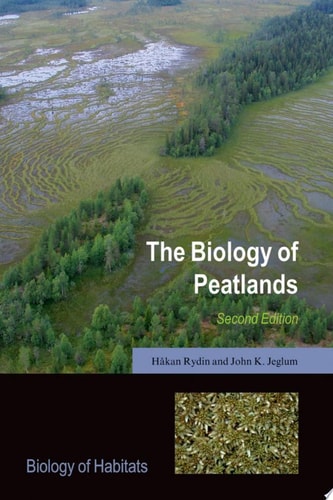
The Biology of Peatlands
0
0
As an Amazon Associate and affiliate partner, Menrva Books earns from qualifying purchases. Learn more
Author Description
Peatlands form important landscape elements in many parts of the world and play significant roles for biodiversity and global carbon balance. This new edition has been fully revised and updated, documenting the latest advances in areas such as microbial processes and relations between biological processes and hydrology. As well as thoroughly referencing the latest research, the authors expose a rich older literature where an immense repository of natural history has accumulated. The Biology of Peatlands starts with an overview of the main peatland types (marsh, swamp, fen, and bog), before examining the entire range of biota present (microbes, invertebrates, plants, and vertebrates), together with their specific adaptations to peatland habitats. Detailed coverage is devoted to the genus Sphagnum, the most important functional plant group in northern peatlands, although tropical and southern hemisphere peatlands are also covered. Throughout the book the interactions between organisms and environmental conditions (especially wetness, availability of oxygen, and pH) are emphasized, with chapters on the physical and chemical characteristics of peat, the role of peat as an archive of past vegetation and climate, and peatland succession and development. Several other key factors and processes are then examined, including hydrology and nutrient cycling. The fascinating peatland landforms in different parts of the world are described, together with theories on how they have developed. Human interactions with peatlands are considered in terms of management, conservation, and restoration. A final chapter, new to this edition, focuses on the role of peatlands as sources or sinks for the greenhouse gases carbon dioxide and methane, and the influences of climate change on peatlands. This timely and accessible text is suitable for students and researchers of peatland ecology, as well as providing an authoritative overview for professional ecologists and conservation biologists.
Menrva's Summary
THE THESIS
This text investigates the complex biological, chemical, and physical processes that define peatland ecosystems and their critical role in global environmental stability. Håkan Rydin and John K. Jeglum, both established experts in peatland ecology, synthesize decades of research to provide a comprehensive framework for understanding these unique habitats. By integrating historical natural history with contemporary data on microbial processes and hydrology, the authors argue that peatlands function as essential archives of climate history and key players in the global carbon cycle.
THE SCOPE MAP
What You Will Find
- Classification of peatland types including marshes, swamps, fens, and bogs
- Detailed analysis of biota ranging from microbes to vertebrates
- In-depth examination of the genus Sphagnum and its functional role
- Discussion of nutrient cycling, hydrology, and peatland development
- Evaluation of human management, conservation, and restoration practices
Scope Limits
- The text focuses primarily on ecological and biological mechanisms rather than socio-economic policy analysis
- While global in scope, the depth of coverage for specific regional peatlands may vary based on available research data
THE AUTHORITY PERSPECTIVE
Experts and academics recognize this work as a foundational reference for students and professionals in ecology and conservation biology. Readers frequently note the clarity of the prose and the thoroughness with which the authors bridge the gap between older natural history observations and modern climate science.
Page Count:
432
Publication Date:
2013-01-01
Publisher:
Oup Oxford
ISBN-10:
0191508284
ISBN-13:
9780191508288
Science
Biology
Conservation
Ecology
Botany
Community Tags
Other Editions(4)

Similar Books

Reader Comments
Share Your Thoughts
No comments yet. Be the first to share your thoughts!