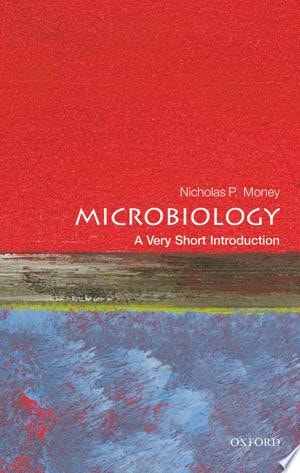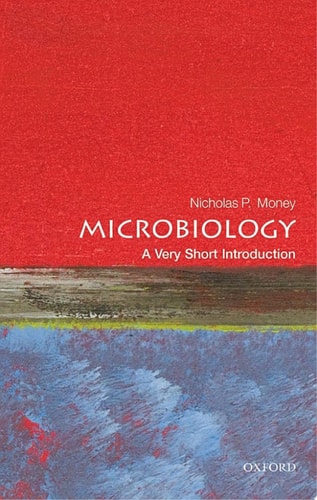
Microbiology: A Very Short Introduction
0
0
As an Amazon Associate and affiliate partner, Menrva Books earns from qualifying purchases. Learn more
Author Description
In recent decades we have come to realize that the microbial world is hugely diverse, and can be found in the most extreme environments. Fungi, single-celled protists, bacteria, archaea, and the vast array of viruses and sub-viral particles far outnumber plants and animals. Microbes, we now know, play a critical role in ecosystems, in the chemistry of atmosphere and oceans, and within our bodies. The field of microbiology, armed with new techniques from molecular biology, is now one of the most vibrant in the life sciences. In this Very Short Introduction Nicholas P. Money explores not only the traditional methods of microscopy and laboratory culture but also the modern techniques of genetic detection and DNA sequencing, genomic analysis, and genetic manipulation. In turn he demonstrates how advances in microbiology have had a tremendous impact on the areas of medicine, agriculture, and biotechnology. ABOUT THE SERIES: The Very Short Introductions series from Oxford University Press contains hundreds of titles in almost every subject area. These pocket-sized books are the perfect way to get ahead in a new subject quickly. Our expert authors combine facts, analysis, perspective, new ideas, and enthusiasm to make interesting and challenging topics highly readable.
Menrva's Summary
THE THESIS
This book investigates the fundamental role of the microbial world in global ecosystems and the rapid technological advancements defining modern microbiology. Nicholas P. Money, a professor of biology, synthesizes current research in molecular biology to explain how microbes influence environmental chemistry, human health, and agricultural productivity. He presents a framework that bridges traditional laboratory techniques with contemporary genomic analysis to illustrate the complexity of life at the microscopic scale.
THE SCOPE MAP
What You Will Find
- Overview of microbial diversity including bacteria, archaea, fungi, and viruses
- Explanation of molecular biology techniques such as DNA sequencing and genetic manipulation
- Analysis of microbial impact on medicine, biotechnology, and atmospheric chemistry
Scope Limits
- Does not provide exhaustive clinical protocols or detailed laboratory manuals
- Does not cover the entire history of microbiology in chronological detail
THE AUTHORITY PERSPECTIVE
Experts and readers recognize this text as a highly accessible entry point for students and curious laypeople seeking a concise overview of the field. The prose is noted for its clarity and ability to distill complex biological concepts into a manageable format.
Page Count:
136
Publication Date:
2014-01-01
Publisher:
OUP Oxford
ISBN-10:
0191503924
ISBN-13:
9780191503924
Science
Microbiology
Biology
Life sciences
Reference
Academic