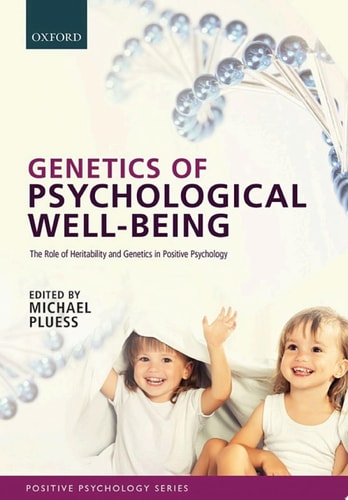
Genetics of Psychological Well-Being: The Role of Heritability and Genetics in Positive Psychology
0
0
As an Amazon Associate and affiliate partner, Menrva Books earns from qualifying purchases. Learn more
Author Description
In the past decade there has been an explosion of research into the psychology of well-being. While we know that psychological well-being is partly heritable, it is only recently that researchers have started to investigate the specific genetic factors that influence well-being. Such research explores not only heritability, based on traditional twin study designs, but also includes studies combining some of the most recent molecular genetic techniques and methods. This landmark book summarizes the state of knowledge regarding heritability and molecular genetics in positive psychology. Divided into four parts, it starts by exploring the basics of genetics and associated research methodology, providing the reader with the knowledge required to understand the empirical work presented throughout the volume. The second part of the book focuses on heritability estimates of the most important positive psychology concepts based on quantitative behavioural genetics studies. In the third section of the book, results from more recent molecular genetics studies are presented including candidate gene, gene-environment interaction, as well as genome-wide association studies. This section also contains chapters on epigenetics and imaging genetics, both relatively new methodologies that are just about to make their way into the field of positive psychology. The fourth and final part of the book discusses more overarching questions regarding the roles of genes and environment in the development of well-being as well as a review and discussion of the current state of knowledge and future direction in this new field of inquiry. The first book of its kind, The Genetics of Psychological well-being is a major contribution to the positive psychology literature, and important for all those in the fields of positive psychology, psychiatric genetics, and well-being.
Menrva's Summary
THE THESIS
This volume investigates the extent to which genetic factors and heritability influence psychological well-being, bridging the gap between traditional behavioral genetics and modern molecular research. Michael Pluess, a researcher in the field of developmental psychology and genetics, synthesizes current empirical data to provide a comprehensive framework for understanding how biological predispositions interact with environmental factors to shape human happiness and mental health.
THE SCOPE MAP
What You Will Find
- Quantitative behavioral genetics and twin study methodologies
- Molecular genetic techniques including genome-wide association studies (GWAS)
- Analysis of gene-environment interactions and epigenetic mechanisms
- Imaging genetics and its application to positive psychology concepts
Scope Limits
- Does not provide clinical therapeutic interventions or self-help protocols
- Focuses primarily on empirical research rather than philosophical or sociological theories of well-being
THE AUTHORITY PERSPECTIVE
Experts recognize this text as a foundational resource for integrating genetic science into the study of positive psychology. Readers frequently note the academic density of the prose, which is tailored for researchers and students in psychiatric genetics and behavioral science.
Page Count:
316
Publication Date:
2015-01-01
Publisher:
OUP Oxford
ISBN-10:
0191510211
ISBN-13:
9780191510212
Science
Psychology
Genetics
Family & Consumer Sciences
Positive Psychology
Behavioral Genetics
Academic
Community Tags
Similar Books