The Yellow Peril
0
0
As an Amazon Associate and affiliate partner, Menrva Books earns from qualifying purchases. Learn more
Author Description
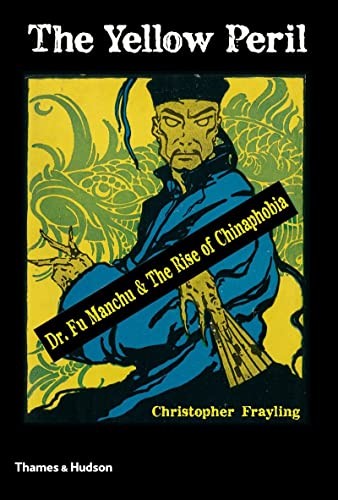
A hundred years ago, a character made his first appearance in the world of literature who was to enter the bloodstream of 20th-century popular culture: the evil genius called Dr Fu Manchu, described at the beginning of the first story in which he appeared as the yellow peril incarnate in one man. Why did the idea that the Chinese were a threat to Western civilization develop at precisely the time when that country was in chaos, divided against itself, victim of successive famines and utterly incapable of being a peril to anyone even if it had wanted to be? Here, Sir Christopher Frayling assembles an astonishing diversity of evidence to show how deeply ingrained Chinaphobia became in the West so acutely relevant again in the new era of Chinese superpower. Along the way he talks to Edward Said, to the last Governor of Hong Kong, to Sax Rohmers widow, to movie stars and a host of others; he journeys through the opium dens of the 19th century with Charles Dickens; takes us to the heart of popular culture in the music hall, pulp literature and the mass-market press; and shows how film amplifies our assumptions, demonstrating throughout how we neglect the history of popular culture at our own peril if we want to understand our deepest desires and fears.
Menrva's Summary
THE THESIS
This book investigates the origins and enduring impact of Western xenophobia towards China, particularly as embodied by the fictional character Dr. Fu Manchu. Sir Christopher Frayling, a renowned cultural historian, examines how the concept of the
THE SCOPE MAP
- Analysis of the literary creation and cultural impact of Dr. Fu Manchu.
- Exploration of the historical context of Chinaphobia in the West during the late 19th and early 20th centuries.
- Examination of how popular culture, including music halls, pulp literature, and film, disseminated anti-Chinese sentiment.
- Discussion of the role of historical events such as China's internal chaos and famines in shaping Western perceptions.
- Interviews and insights from figures such as Edward Said, the last Governor of Hong Kong, and Sax Rohmer's widow.
- Connections drawn between historical xenophobia and contemporary geopolitical dynamics involving China.
- Exploration of the psychological underpinnings of Western fears and desires related to the 'Yellow Peril'.
THE AUTHORITY PERSPECTIVE
This work is recognized for its comprehensive examination of the historical roots and pervasive influence of anti-Chinese sentiment in Western culture. The author meticulously traces the evolution of the 'Yellow Peril' trope, particularly through the lens of the fictional character Dr. Fu Manchu, demonstrating its deep entrenchment in popular imagination. By drawing on a wide array of evidence, from literary analysis to interviews with key figures, the book offers a nuanced perspective on how these fears have been perpetuated and how they remain relevant in contemporary times. The research highlights the critical importance of understanding popular culture's role in shaping societal anxieties and perceptions.
Page Count:
360
Publication Date:
2014-01-01
ISBN-10:
0500252076
ISBN-13:
9780500252079
Non-Fiction
History
Art
Asian Studies
Community Tags
Similar Books