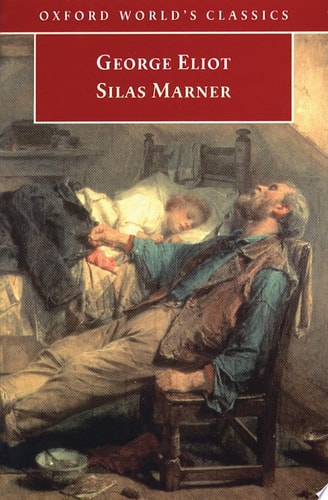
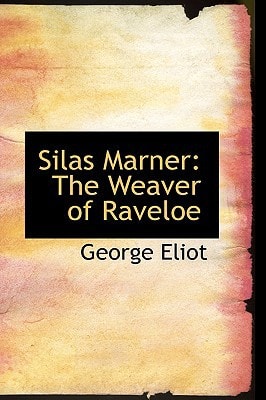
Silas Marner: The Weaver Of Raveloe
0
0
As an Amazon Associate and affiliate partner, Menrva Books earns from qualifying purchases. Learn more
Author Description
Falsely Accused, Cut Off From His Past, Silas The Weaver Is Reduced To A Spider-like Existence, Endlessly Weaving His Web And Hoarding His Gold. Meanwhile, Godfrey Cass, Son Of The Squire, Contracts A Secret Marriage. While The Village Celebrates Christmas And New Year, Two Apparently Inexplicable Events Occur. Silas Loses His Gold And Finds A Child On His Hearth. The Imaginative Control George Eliot Displays As Her Narrative Gradually Reveals Causes And Connections Has Rarely Been Surpassed. This Edition, Which Is Based On The Carefully Corrected Text George Eliot Prepared A Few Months After The First Edition, Is Accompanied By An Introduction Which Illuminates The Intellectual Context Of What Has Often Been Presented As A Nostalgic, Sentimental Tale.
Menrva's Summary
THE PULSE
After being falsely accused of theft and exiled from his religious community, a reclusive weaver finds his solitary life of hoarding gold disrupted by a sudden robbery and the mysterious appearance of a young child. Silas Marner struggles to reconcile his deep-seated cynicism and isolation with the unexpected responsibility of raising an abandoned girl. His primary opposition stems from his own internal trauma and the rigid social hierarchies of the village of Raveloe, which complicate his path toward redemption. The narrative employs a third-person omniscient perspective to examine the intersection of individual moral growth and the broader societal pressures of nineteenth-century rural England.
INSIDE THE PAGES
- Exploration of moral isolation and social alienation
- Integration of folklore motifs within a realistic setting
- Detailed depiction of early nineteenth-century rural English life
- Examination of the psychological impact of religious disillusionment
- Use of symbolic objects to represent character development
- Contrast between the industrial weaver and the agrarian village society
- Analysis of the influence of community on individual identity
- Non-linear reflection on the protagonist's past in Lantern Yard
THE COLLECTIVE ECHO
Readers and critics frequently discuss the novel's transition from a fable-like structure to a grounded psychological study of human connection. Discussion often centers on the effectiveness of the author's prose in balancing the harsh realities of the weaver's life with the transformative power of his relationship with Eppie. Many highlight the precision of the setting, noting how the village of Raveloe serves as a microcosm for broader social themes. The narrative pacing is often praised for its deliberate reveal of connections between the weaver's loss and the squire's family secrets. Readers consistently find the exploration of redemption and the critique of social exclusion to be the most enduring elements of the work.
Page Count:
250
Publication Date:
1996-01-01
Publisher:
Oxford University Press, Uk
ISBN-10:
0191560715
ISBN-13:
9780191560712
Fiction
Realism
Social Commentary
Historical
classic
Victorian
Community Tags
Other Editions(11)




Similar Books




Reader Comments
Share Your Thoughts
No comments yet. Be the first to share your thoughts!