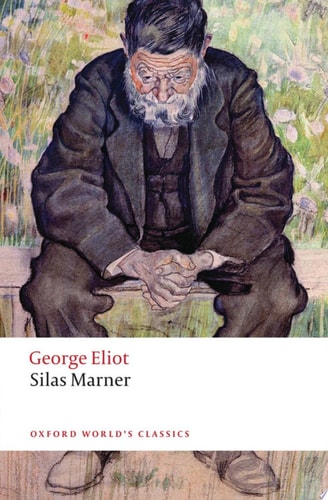
Silas Marner: The Weaver of Raveloe
0
0
As an Amazon Associate and affiliate partner, Menrva Books earns from qualifying purchases. Learn more
Author Description
Falsely accused, cut off from his past, Silas the weaver is reduced to a spider-like existence, endlessly weaving his web and hoarding his gold. Meanwhile, Godfrey Cass, son of the squire, contracts a secret marriage. While the village celebrates Christmas and New Year, two apparently inexplicable events occur. Silas loses his gold and finds a child on his hearth. The imaginative control George Eliot displays as her narrative gradually reveals causes and connections has rarely been surpassed. This new edition, which is based on the carefully corrected text George Eliot prepared a few months after the first edition, is accompanied by an introduction which illuminates the intellectual context of what has often been presented as a nostalgic, sentimental tale.About the Series: For over 100 years Oxford World's Classics has made available the broadest spectrum of literature from around the globe. Each affordable volume reflects Oxford's commitment to scholarship, providing the most accurate text plus a wealth of other valuable features, including expert introductions by leading authorities, voluminous notes to clarify the text, up-to-date bibliographies for further study, and much more.
Menrva's Summary
THE PULSE
A reclusive weaver, stripped of his community and his life savings, finds his solitary existence transformed by the sudden appearance of an abandoned child. Silas Marner lives in self-imposed exile in the village of Raveloe, where he focuses entirely on his loom and his growing hoard of gold. His life is defined by the rigid boundaries of his own bitterness until a theft leaves him destitute and a toddler wanders into his home. The narrative follows the intersection of Silas's quiet life with the complex, secret-laden affairs of the local squire's family, exploring the moral consequences of hidden actions and the potential for social redemption.
INSIDE THE PAGES
- Third-person omniscient narration providing insight into multiple social strata
- Detailed depiction of rural English life in the early 19th century
- Exploration of the psychological impact of social isolation
- Use of symbolism regarding gold and weaving as metaphors for human connection
- Contrast between the industrializing world and traditional village structures
- Examination of moral growth and the influence of community on the individual
- Integration of subplots involving the landed gentry and the working class
- Focus on the themes of providence, redemption, and the nature of family
THE COLLECTIVE ECHO
Readers frequently highlight the precision of George Eliot's prose and her ability to balance individual character arcs with broader social critique. Discussion often centers on the transformation of Silas from a misanthrope to a father figure, noting the effectiveness of the shift in tone as the narrative progresses. Critics often point to the novel's structural integrity, specifically how the author weaves together the disparate lives of the villagers into a cohesive moral framework. The work is widely regarded for its avoidance of simplistic sentimentality, instead offering a nuanced look at the complexities of human behavior and the necessity of social integration.
Page Count:
240
Publication Date:
2009-03-01
Publisher:
Oxford University Press
ISBN-10:
0199536775
ISBN-13:
9780199536771
Realism
English
England
Fathers and daughters
Social Commentary
Historical
Victorian
classic
English & College Success
Community Tags
Other Editions(11)



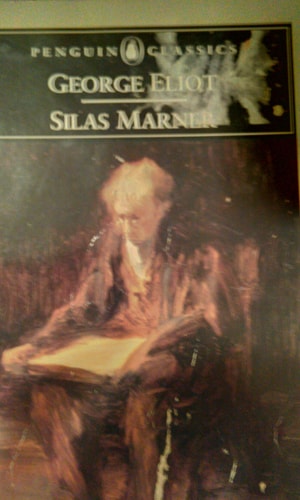
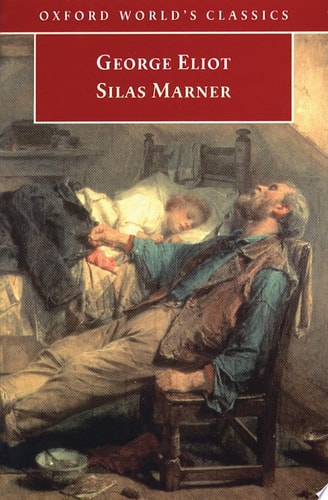
Similar Books

Reader Comments
Share Your Thoughts
No comments yet. Be the first to share your thoughts!