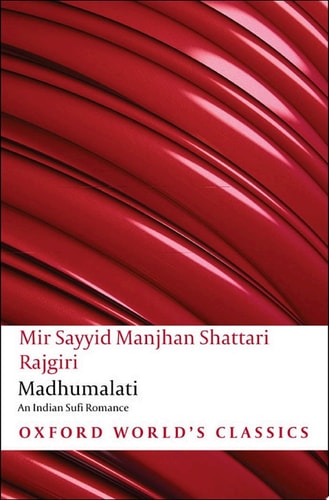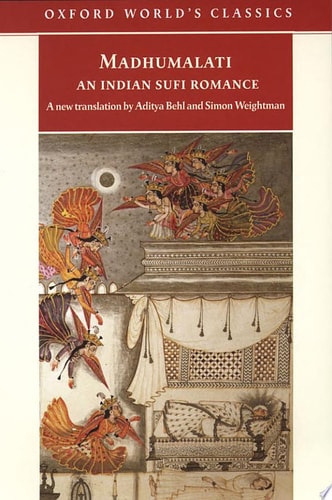
Madhumalati: An Indian Sufi Romance
0
0
As an Amazon Associate and affiliate partner, Menrva Books earns from qualifying purchases. Learn more
Author Description
Cover; Contents; Acknowledgements; Introduction; Note On The Text; Select Bibliography; Chronology; Madhumālatī; Appendix: The Symmetry Of Madhumālatī; Explanatory Notes Mīr Sayyid Manjhan Shaṭṭārī Rājgīrī; Translated And With An Introduction And Notes By Aditya Behl And Simon Weightman, With Shyam Manohar Pandey. Includes Bibliographical References (pages L-lvi). Electronic Reproduction. Ann Arbor, Mi Available Via World Wide Web. English.
Menrva's Summary
THE PULSE
A prince embarks on a transformative quest to find a mysterious princess who appears to him in a dream, setting off a sequence of trials that test his devotion and spiritual resolve. Manjhan’s narrative follows the protagonist, Manohar, as he navigates a world where the boundaries between the physical realm and the divine are porous. The narrative framework utilizes the conventions of the masnavi, a poetic form characterized by rhyming couplets that facilitate both lyrical description and philosophical inquiry. Manohar must overcome physical obstacles and internal doubt to reunite with his beloved, Madhumalati, whose presence serves as a catalyst for his enlightenment. The story operates within a framework where romantic longing functions as a metaphor for the soul's yearning for the divine.
INSIDE THE PAGES
- Utilization of the masnavi poetic structure
- Integration of Sufi mystical symbolism
- Exploration of the theme of divine love through human romance
- Use of dream sequences as narrative catalysts
- Detailed descriptions of courtly life and natural landscapes
- Emphasis on the transformative power of separation and longing
- Inclusion of supernatural elements and magical encounters
- Philosophical reflections on the nature of reality and illusion
THE COLLECTIVE ECHO
Discussion often centers on the sophisticated interplay between the secular romance and the underlying Sufi allegories that define the work. Readers frequently highlight the lyrical quality of the translation, which preserves the rhythmic intensity of the original 16th-century verse. Critics note that the text provides a window into the syncretic cultural environment of medieval India, where diverse traditions converged. The balance between the protagonist's emotional development and the fantastical challenges he faces remains a primary point of interest for scholars of South Asian literature. Many readers appreciate how the narrative structure mirrors the stages of spiritual progression, making the text both an engaging story and a meditative exercise.
Page Count:
336
Publication Date:
2001-01-01
Publisher:
Oxford University Press
ISBN-10:
0191587516
ISBN-13:
9780191587511
Romance
Poetry
Sufismus
Classical
Sufi
Mañjhana
Romanze
Epic
Indian
Community Tags
Similar Books