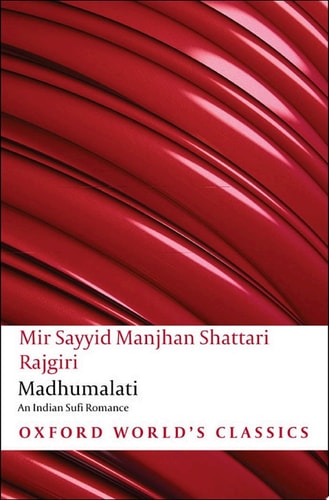
Madhumalati: An Indian Sufi Romance
0
0
As an Amazon Associate and affiliate partner, Menrva Books earns from qualifying purchases. Learn more
Author Description
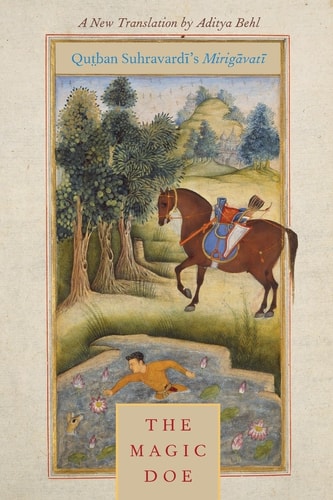
The mystical romance Madhumalati tells the story of a prince, Manohar, and his love for the beautiful princess Madhumalati. When they are separated they have to endure suffering, adventure, and transformation before they can be reunited and experience true happiness. A delightful love story, the poem is also rich in mystical symbolism and the story of the two lovers represents the stages on the spiritual path to enlightenment. Madhumalati was written in the sixteenth century and it is an outstanding example of Sufi literature in the Indian Islamic tradition. Originally written in a dialect of Eastern Hindi it is here translated for the first time into English verse, with an introduction and notes that explain the poem's religious significance.
Menrva's Summary
THE PULSE
Prince Manohar embarks on a transformative quest to reunite with the princess Madhumalati after a sudden separation forces them into a world of hardship and spiritual trial. Driven by an intense romantic connection, the protagonist navigates a landscape defined by both physical peril and metaphysical challenge. The narrative follows the lovers as they encounter various obstacles that test their resolve and character. Through this separation, the poem explores the necessity of suffering as a catalyst for personal evolution. The work utilizes a traditional narrative framework common to sixteenth-century Indian romance, blending courtly adventure with allegorical depth.
INSIDE THE PAGES
- Verse-based narrative structure
- Allegorical representation of the spiritual path
- Exploration of Sufi mystical symbolism
- Themes of separation and longing
- Integration of Indian Islamic cultural motifs
- Focus on personal transformation through adversity
- Traditional romance tropes adapted for religious instruction
- Detailed introduction and scholarly notes on religious context
THE COLLECTIVE ECHO
Discussion often centers on the unique synthesis of secular romance and profound spiritual allegory within the text. Readers frequently highlight the accessibility of the verse translation, which maintains the rhythmic quality of the original sixteenth-century Hindi dialect. Critics emphasize the importance of the work as a primary example of the Indian Islamic tradition, noting how the narrative functions simultaneously as an entertaining story and a guide to enlightenment. The balance between the external adventure of the prince and the internal development of the characters remains a frequent point of analysis for scholars. Many readers appreciate how the poem provides insight into the historical and religious landscape of the period without sacrificing the emotional resonance of the central love story.
Page Count:
335
Publication Date:
2001-01-01
Publisher:
OUP Oxford
ISBN-10:
0191606251
ISBN-13:
9780191606250
Romance
Poetry
Classical
Indian
Witchcraft & Wicca
Mind & Body
Social Sciences - Religion - Christianity
Sufi
Occultism
Biological Sciences & Nutrition - Biology - Botany
Mythology
Social History