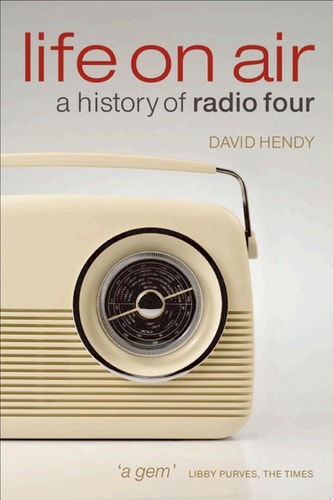
Life on Air: A History of Radio Four
0
0
As an Amazon Associate and affiliate partner, Menrva Books earns from qualifying purchases. Learn more
Author Description
Radio Four has been described as 'the greatest broadcasting channel in the world', the 'heartbeat of the BBC', a cultural icon of Britishness, and the voice of Middle England. Defined by its rich mix, encompassing everything from journalism and drama to comedy, quizzes, and short-stories, its programmes - such as Today,The Archers, Woman's Hour, The Hitchhiker's Guide To the Galaxy, Gardeners' Question Time, and The Shipping Forecast - have been part of British life for decades. Others, less successful, have caused offence and prompted derision. Born as it was in the Swinging Sixties, Radio Four's central challenge has been to change with the times, while trying not to lose faith with those who see it as a standard-bearer for quality, authoritativeness, or simply 'old-fashioned' BBC values. In this first major behind-the-scenes account of the station's history, David Hendy - a former producer for Radio Four - draws on privileged access to the BBC's own archives and new interviews with key personnel to illuminate the arguments and controversies behind the creation of some of its most popular programmes. He reveals the station's struggle to justify itself in a television age, favouring clear branding and tightly-targeted audiences, with bitter disputes between the BBC and its fiercely loyal listeners. The story of these struggles is about more than the survival of one radio network: Radio Four has been a lightning rod for all sorts of wider social anxieties over the past forty years. A kaleidoscopic view of the changing nature of the BBC, the book provides a gripping insight into the very nature of British life and culture in the last decades of the twentieth century.
Menrva's Summary
THE THESIS
How has BBC Radio Four maintained its cultural relevance and identity while navigating the shifting social and technological landscape of the late twentieth century? David Hendy, a former producer for the network, utilizes his professional background and privileged access to internal BBC archives to construct this historical account. He examines the tension between the station's mandate to provide quality programming and the external pressures of a television-dominated media environment. The text argues that the history of Radio Four serves as a proxy for the broader evolution of British social values and institutional identity.
THE SCOPE MAP
What You Will Find
- A chronological history of BBC Radio Four from the 1960s through the early 2000s.
- Analysis of iconic programs including The Archers, Today, and The Hitchhiker's Guide to the Galaxy.
- Documentation of internal BBC policy shifts and audience reception.
Scope Limits
- The book does not provide a comprehensive technical manual on radio production.
- It focuses primarily on the British context and does not cover international radio history.
THE AUTHORITY PERSPECTIVE
Experts and media historians recognize this work as a definitive institutional history of the BBC's most prominent radio network. Readers frequently note the balance between scholarly research and the accessible, anecdotal style derived from the author's personal experience as a producer.
Page Count:
549
Publication Date:
2008-01-01
Publisher:
OUP Oxford
ISBN-10:
0191580201
ISBN-13:
9780191580208
History
Non-Fiction
Great Britain
Broadcasting
British Culture
Media Studies
Radio
European History
British Broadcasting Corporation
Community Tags
Similar Books