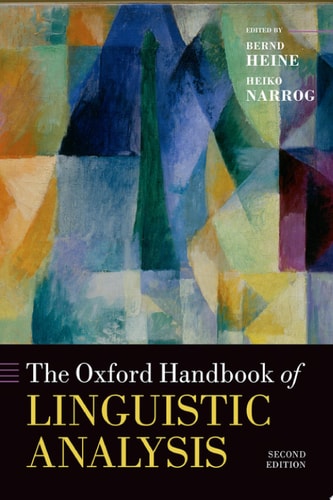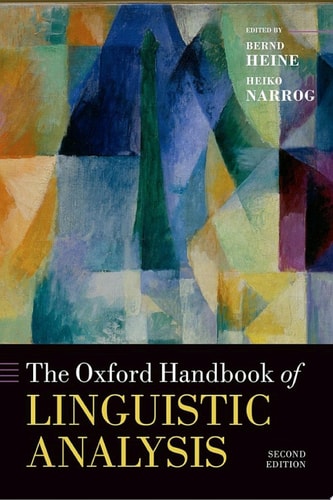
The Oxford Handbook of Linguistic Analysis
0
0
As an Amazon Associate and affiliate partner, Menrva Books earns from qualifying purchases. Learn more
Author Description
This handbook compares the main analytic frameworks and methods of contemporary linguistics. It offers a unique overview of linguistic theory, revealing the common concerns of competing approaches. By showing their current and potential applications it provides the means by which linguists and others can judge what are the most useful models for the task in hand. Distinguished scholars from all over the world explain the rationale and aims of over thirty explanatory approaches to the description, analysis, and understanding of language. Each chapter considers the main goals of the model; the relation it proposes from between lexicon, syntax, semantics, pragmatics, and phonology; the way it defines the interactions between cognition and grammar; what it counts as evidence; and how it explains linguistic change and structure. The Oxford Handbook of Linguistic Analysis offers an indispensable guide for everyone researching any aspect of language including those in linguistics, comparative philology, cognitive science, developmental philology, cognitive science, developmental psychology, computational science, and artificial intelligence. This second edition has been updated to include seven new chapters looking at linguistic units in language acquisition, conversation analysis, neurolinguistics, experimental phonetics, phonological analysis, experimental semantics, and distributional typology.
Menrva's Summary
THE THESIS
This handbook investigates the diverse analytic frameworks and methodologies currently employed in the field of contemporary linguistics to determine their utility for specific research tasks. Editors Heiko Narrog and Bernd Heine compile contributions from international scholars to provide a comparative overview of over thirty distinct theoretical models. The text evaluates how these frameworks address the relationships between lexicon, syntax, semantics, pragmatics, and phonology, while establishing a common ground for evaluating linguistic evidence and structural explanation.
THE SCOPE MAP
What You Will Find
- Comparative analysis of over thirty linguistic explanatory models
- Examination of the intersection between cognition and grammar
- Updated coverage of neurolinguistics, experimental phonetics, and distributional typology
- Discussion of linguistic units in language acquisition and conversation analysis
Scope Limits
- Does not provide a singular unified theory of language
- Excludes exhaustive historical surveys of obsolete linguistic schools
THE AUTHORITY PERSPECTIVE
Experts recognize this volume as a foundational reference for researchers across linguistics, cognitive science, and computational fields. Readers frequently note the academic density of the prose, which serves as a comprehensive resource for navigating competing theoretical frameworks.
Page Count:
1216
Publication Date:
2015-01-01
Publisher:
OUP Oxford
ISBN-10:
0191664804
ISBN-13:
9780191664809
Reference
Academic
Linguistics
English & College Success
English