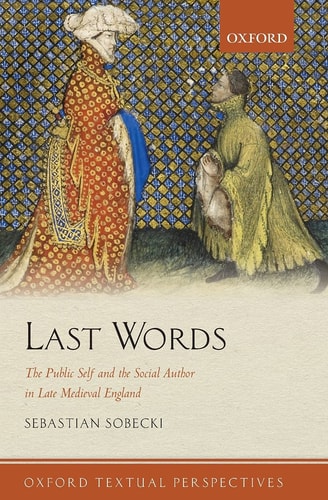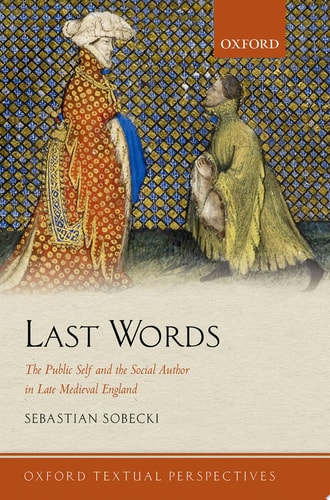
Last Words: The Public Self and the Social Author in Late Medieval England
0
0
As an Amazon Associate and affiliate partner, Menrva Books earns from qualifying purchases. Learn more
Author Description
No Medieval Text Was Designed To Be Read Hundreds Of Years Later By An Audience Unfamiliar With Its Language, Situation, And Author. By Ascribing To These Texts Intentional Anonymity, We Romanticise Them And Misjudge The Social Character Of Their Authors. Instead, Most Medieval Poems And Manuscripts Presuppose Familiarity With Their Authorial Or Scribal Maker. Last Words: The Public Self And The Social Author In Late Medieval England Attempts To Recover This Familiarity And Understand The Literary Motivation Behind Some Of Most Important Fifteenth-century Texts And Authors. Last Words Captures The Public Selves Of Such Social Authors When They Attempt To Extract Themselves From The Context Of A Lived Life. Driven By Archival Research And Literary Inquiry, This Book Reveals Where John Gower Kept The Trentham Manuscript In His Final Years, How John Lydgate Wished To Be Remembered, And Why Thomas Hoccleve Wrote His Best-known Work, The Series. It Includes Documentary Breakthroughs And Archival Discoveries, And Introduces A New Life Record For Hoccleve, Identifies The Author Of A Significant Political Poem, And Reveals The Handwriting Of John Gower And George Ashby. Through Its Investments In Archival Study, Book History, And Literary Criticism, Last Words Charts The Extent To Which Medieval English Literature Was Shaped By The Social Selves Of Their Authors
Menrva's Summary
THE THESIS
This book investigates the social identity and literary motivations of late medieval English authors, challenging the assumption that their works were intended to be anonymous. Sebastian I. Sobecki, a scholar of medieval literature, utilizes a combination of archival research, paleography, and literary analysis to reconstruct the public selves of figures such as John Gower, John Lydgate, and Thomas Hoccleve. By situating these authors within their specific historical and social contexts, the text argues that medieval literature was deeply influenced by the personal and professional lives of its creators.
THE SCOPE MAP
What You Will Find
- Analysis of fifteenth-century English texts including works by Gower, Lydgate, and Hoccleve
- New archival discoveries regarding authorial life records and manuscript provenance
- Identification of previously anonymous political poetry and specific scribal handwriting
- Methodological integration of book history and literary criticism
Scope Limits
- The study is primarily focused on late medieval England and does not address continental European literature of the same period
- It does not provide a comprehensive survey of all medieval authors, focusing instead on specific case studies
THE AUTHORITY PERSPECTIVE
Scholars in the field of medieval studies recognize this work for its rigorous archival methodology and its contribution to the study of authorial identity. Readers frequently note the academic density of the prose, which serves as a specialized resource for researchers interested in manuscript culture and late medieval literary history.
Page Count:
0
Publication Date:
2019-01-01
ISBN-10:
0191886076
ISBN-13:
9780191886072
Academic
Book History
Literary Criticism
English literature