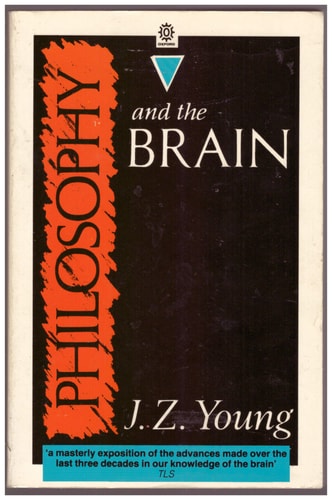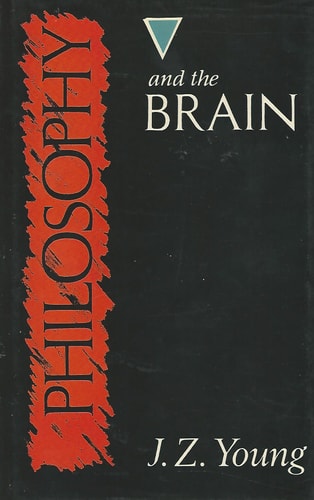
Philosophy and the Brain
0
0
As an Amazon Associate and affiliate partner, Menrva Books earns from qualifying purchases. Learn more
Author Description
This book describes the relevance of biological discovery to philosophical topics such as perception, freedom, determinism, and ethical values and, in turn, relates the significance of philosophical concepts to work taking place in biology and the neurosciences. The author uses clear-cut language to describe the brain and its functions, and links this information to questions concerning physical makeup versus "real" self, the awareness of our moral sense, and how human consciousness differs from that of animals. He demonstrates that perception is not a passive process but an active search for information, and offers an intriguing theory concerning the purpose of human knowledge. In addition to general readers, the book will be of special interest to students of philosophy, neuroscience, psychology, and physiology.
Menrva's Summary
THE THESIS
This book investigates the intersection of biological discovery and philosophical inquiry, specifically questioning how neuroscientific understanding informs traditional concepts of consciousness, morality, and human agency. J.Z. Young, a distinguished biologist, utilizes his expertise in the neurosciences to bridge the gap between physical brain function and abstract philosophical discourse. He argues that human perception is an active, constructive process rather than a passive reception of data, proposing a framework where biological mechanisms underpin our ethical values and sense of self.
THE SCOPE MAP
What You Will Find
- Analysis of the relationship between neurobiology and philosophical concepts like determinism and freedom.
- Explanations of brain function and its connection to human consciousness.
- Comparative studies on the differences between human and animal consciousness.
- A theoretical model regarding the evolutionary purpose of human knowledge.
Scope Limits
- The text does not provide a comprehensive history of philosophy, focusing instead on specific intersections with biological science.
- It does not offer clinical medical advice or detailed psychiatric diagnostic tools.
THE AUTHORITY PERSPECTIVE
Experts and students alike recognize this work as a significant interdisciplinary bridge between the hard sciences and the humanities. Readers frequently note the clarity of the prose, which makes complex neurobiological concepts accessible to those without a formal background in physiology.
Page Count:
224
Publication Date:
1987-01-22
Publisher:
Oxford University Press
ISBN-10:
0192192159
ISBN-13:
9780192192158
Philosophy
Psychology
Biology
Ethics
Neuroscience