
Democracy in America
0
0
As an Amazon Associate and affiliate partner, Menrva Books earns from qualifying purchases. Learn more
Author Description
Classic analysis of America's unique political character, quoted heavily by politicians and perennially popping up on history professors' reading lists. The book's enduring appeal lies in the eloquent, prophetic voice of Alexis de Tocqueville (1805-1859), a French aristocrat who visited the United States in 1831. A thoughtful young man in a still-young country, he succeeded in penning this penetrating study of America's people, culture, history, geography, politics, legal system, and economy. Tocqueville asserts, I confess that in America I saw more than America; I sought the image of democracy itself, with its inclinations, its character, its prejudices, and its passions, in order to learn what we have to fear or hope from its progress.
Menrva's Summary
THE THESIS
What are the fundamental implications of democratic equality for the social and political structure of a modern nation? Alexis de Tocqueville, a French aristocrat and political thinker, utilizes his 1831 observations of the United States to examine the trajectory of democratic governance. He argues that the transition toward equality is an inevitable historical force, and he seeks to identify both the potential benefits and the inherent risks that accompany this shift in societal organization.
THE SCOPE MAP
What You Will Find
- Analysis of the American legal and political system
- Observations on the influence of religion and civil society
- Examination of the relationship between individual liberty and social equality
Scope Limits
- Does not provide a comprehensive history of the United States post-1840
- Does not account for the long-term evolution of American industrialization
THE AUTHORITY PERSPECTIVE
Scholars and political theorists consistently identify this work as a foundational text for understanding the mechanics of democratic systems. Readers frequently note the dense, analytical nature of the prose, which remains a standard reference in academic curricula regarding Western political thought.
Page Count:
628
Publication Date:
2000-01-01
Publisher:
Oxford Univ Pr (T)
ISBN-10:
0192504967
ISBN-13:
9780192504968
Philosophy
Politics
History
Sociology
American Studies
Community Tags
Other Editions(43)

Simon & Schuster
2024
Default edition
Skyhorse Publishing
2024

Independently Published
2020

Independently Published
2019

Simon & Brown
2018

CreateSpace Independent Publishing Platform
2018

CreateSpace Independent Publishing Platform
2018

CreateSpace Independent Publishing Platform
2018

CreateSpace Independent Publishing Platform
2018

CreateSpace Independent Publishing Platform
2017
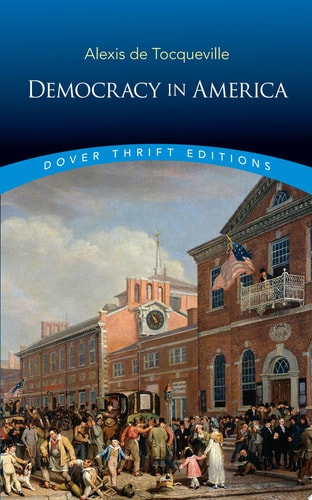
Dover Publications
2017

CreateSpace Independent Publishing Platform
2016

Baker Publishing Group
2016

CreateSpace Independent Publishing Platform
2016

CreateSpace Independent Publishing Platform
2016

CreateSpace Independent Publishing Platform
2015

CreateSpace Independent Publishing Platform
2014

Simon & Brown
2013

Library of America Paperback Classics
2012

Liberty Fund
2012

CreateSpace Independent Publishing Platform
2010

University of Chicago Press
2010

BiblioLife
2009

Marco Book Company
2009

Penguin USA, Inc.
2009

Barnes & Noble Publishing
2003

Regnery Publishing
2003

Encyclopaedia Britannica
2003

University of Chicago Press
2002

Folio Society
2002

Barnes & Noble World Digital Library
2002
University of Chicago Press
2000
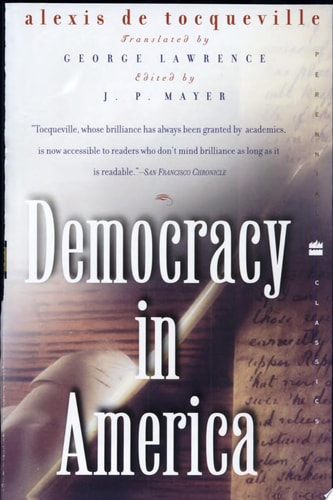
Harper Collins
2000
Oxford Univ Pr (T)
2000

Hackett Pub.
2000

Oxford University Press, USA
1999
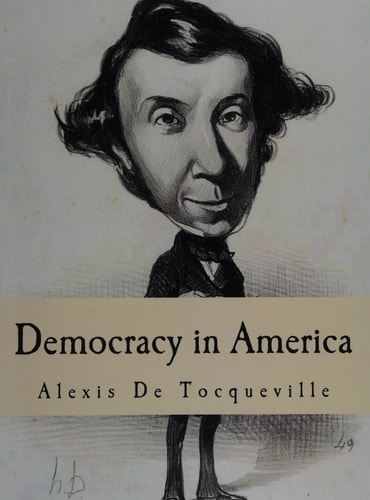
Project Gutenberg
1999

Wordsworth Editions
1998

Alfred A. Knopf
1985
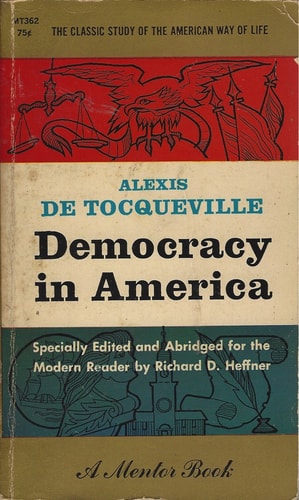
Penguin Publishing Group
1956
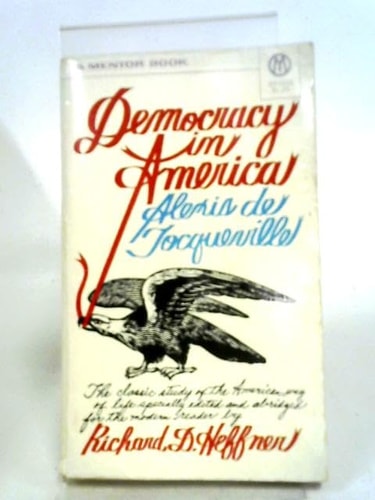
New American Library
1956

Vintage Books
1954
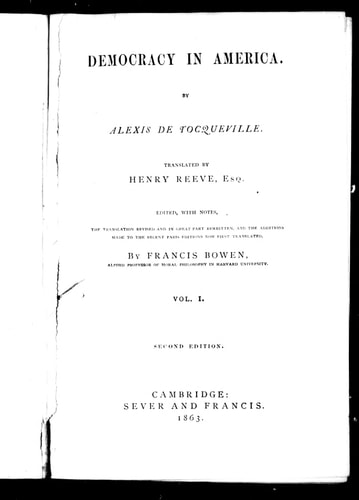
Sever and Francis
1863
Similar Books















Reader Comments
Share Your Thoughts
No comments yet. Be the first to share your thoughts!