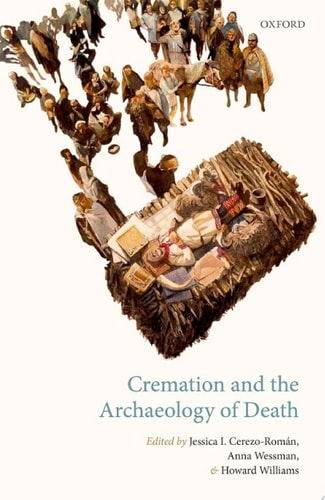
Cremation and the Archaeology of Death
0
0
As an Amazon Associate and affiliate partner, Menrva Books earns from qualifying purchases. Learn more
Author Description
The fiery transformation of the dead is replete in our popular culture and Western modernity's death ways, and yet it is increasingly evident how little this disposal method is understood by archaeologists and students of cognate disciplines in the humanities and social sciences. In this regard, the archaeological study of cremation has much to offer. Cremation is a fascinating and widespread theme and entry-point in the exploration of the variability of mortuary practices among past societies. Seeking to challenge simplistic narratives of cremation in the past and present, the studies in this volume seek to confront and explore the challenges of interpreting the variability of cremation by contending with complex networks of modern allusions and imaginings of cremations past and present and ongoing debates regarding how we identify and interpret cremation in the archaeological record. Using a series of original case studies, the book investigates the archaeological traces of cremation in a varied selection of prehistoric and historic contexts from the Mesolithic to the present in order to explore cremation from a practice-oriented and historically situated perspective.
Menrva's Summary
THE THESIS
This volume investigates the methodological and interpretive challenges inherent in the archaeological study of cremation practices across diverse historical and prehistoric contexts. The authors, Anna Wessman, Howard L. Williams, and Jessica Cerezo-Román, curate a collection of scholarly contributions that move beyond simplistic interpretations of fire-based funerary rites. By integrating modern cultural perceptions with empirical archaeological data, the text argues for a more nuanced, practice-oriented framework for understanding how past societies engaged with the transformation of the dead.
THE SCOPE MAP
What You Will Find
- Comparative analysis of cremation practices from the Mesolithic period to the modern era.
- Methodological frameworks for identifying and interpreting cremated remains in the archaeological record.
- Case studies examining the intersection of material culture and mortuary ritual.
Scope Limits
- The text does not provide a comprehensive global history of every cremation tradition.
- It focuses primarily on archaeological and social science perspectives rather than biological or forensic pathology.
THE AUTHORITY PERSPECTIVE
Experts identify this volume as a significant contribution to the field of mortuary archaeology, specifically for its effort to bridge the gap between theoretical interpretation and physical evidence. Readers frequently note the academic density of the prose, which serves as a specialized resource for students and researchers in the humanities.
Page Count:
368
Publication Date:
2017-01-01
Publisher:
OUP Oxford
ISBN-10:
0192519093
ISBN-13:
9780192519092
History
Social Science
Cremation
Sociology of Death
Anthropology
Death Studies
Archaeology
Funeral Rites
Mortuary Practices
Cultural Anthropology
Community Tags
Similar Books














