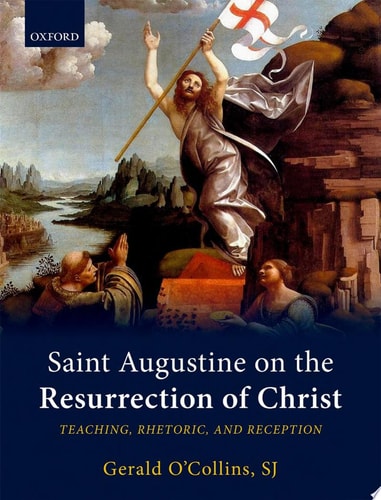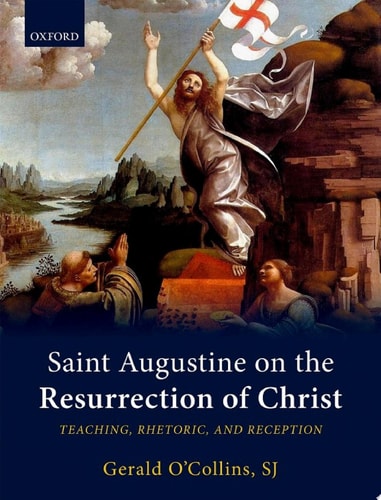
Saint Augustine on the Resurrection of Christ: Teaching, Rhetoric, and Reception
0
0
As an Amazon Associate and affiliate partner, Menrva Books earns from qualifying purchases. Learn more
Author Description
Despite an enormous amount of literature on St Augustine of Hippo, this work provides the first examination of what he taught about the resurrection of Jesus Christ. Augustine expounded Christ's resurrection in his sermons, letters, Answer to Faustus the Manichean, the City of God, Expositions of the Psalms, and the Trinity. Saint Augustine on the Resurrection of Christ: Teaching, Rhetoric, and Reception explores what Augustine held about the centrality of Christ's resurrection from the dead, the agency of Christ's resurrection, and the nature of his risen existence. Leading scholar, Gerald O'Collins, investigates the impact of his resurrection on others and his mediatory role as the risen High Priest. O'Collins then unpicks Augustine's rhetorical justification for the resurrection of Christ: evidence from creation, human history, and the desires of all human beings. This groundbreaking study illustrates the enduring significance of Augustine's teaching on and apologetic for the resurrection, and updates, augments, and corrects what Augustine held.
Menrva's Summary
THE THESIS
This work investigates the specific theological teachings and rhetorical strategies employed by St. Augustine of Hippo regarding the resurrection of Jesus Christ. Gerald O'Collins, a recognized scholar in the field of fundamental theology, utilizes a comprehensive analysis of Augustine's primary texts—including his sermons, letters, and major treatises—to reconstruct the saint's understanding of the resurrection's centrality, agency, and mediatory function. The author evaluates how Augustine synthesized biblical exegesis with philosophical arguments to justify the resurrection as a historical and spiritual reality.
THE SCOPE MAP
What You Will Find
- Analysis of Augustine's major works: City of God, Answer to Faustus the Manichean, and Expositions of the Psalms
- Examination of the theological role of Christ as the risen High Priest
- Investigation of rhetorical evidence used by Augustine, including arguments from creation and human desire
Scope Limits
- The study does not provide a general biography of Augustine
- The text does not cover the broader history of resurrection theology outside of the Augustinian framework
THE AUTHORITY PERSPECTIVE
Scholars identify this work as a significant contribution to patristic studies, noting its success in filling a gap regarding Augustine's specific focus on the resurrection. Readers frequently highlight the clarity of O'Collins's analysis, which makes complex theological arguments accessible to both academic and informed lay audiences.
Page Count:
140
Publication Date:
2017-01-01
Publisher:
OUP Oxford
ISBN-10:
0192520172
ISBN-13:
9780192520173
Religion
Patristics
Theology
Philosophy of
Christian History
Community Tags
Similar Books