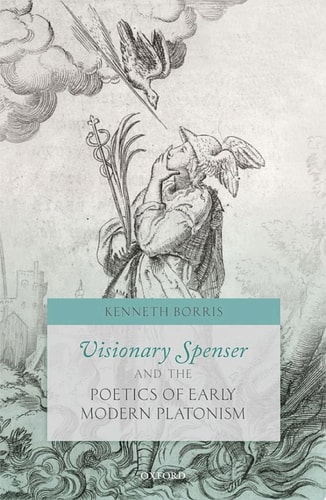
Visionary Spenser and the Poetics of Early Modern Platonism
0
0
As an Amazon Associate and affiliate partner, Menrva Books earns from qualifying purchases. Learn more
Author Description
Platonic concerns and conceptions profoundly affected early modern English and continental poetics, yet the effects have had little attention. This book defines Platonism's roles in early modern theories of literature, then reappraise the Platonizing major poet Edmund Spenser. It makes important new contributions to the knowledge of early modern European poetics and advances our understanding of Spenser's role and significance in English literary history. Literary Platonism energized pursuits of the sublime, and knowledge of this approach to poetry yields cogent new understandings of Spenser's poetics, his principal texts, his poetic vocation, and his cultural influence. By combining Christian resources with doctrines of Platonic poetics such as the poet's and lover's inspirational furies, the revelatory significance of beauty, and the importance of imitating exalted ideals rather than the world, he sought to attain a visionary sublimity that would ensure his enduring national significance, and he thereby became a seminal figure in the English literary "line of vision" including Milton and Blake among others. Although readings of Spenser's Shepheardes Calender typically bypass Plato's Phaedrus, this text deeply informs the Calender's treatments of beauty, inspiration, poetry's psychagogic power, and its national responsibilities. In The Faerie Queene, both heroism and visionary poetics arise from the stimuli of love and beauty conceived Platonically, and idealized mimesis produces its faeryland. Faery's queen, projected from Elizabeth I as in Platonic idealization of the beloved, not only pertains to temporal governance but also points toward the transcendental Ideas and divinity. Whereas Plato's Republic valorizes philosophy for bringing enlightenment to counter society's illusions, Spenser champions the learned and enraptured poetic imagination, and proceeds as such a philosopher-poet.
Menrva's Summary
THE THESIS
This book investigates how Platonic philosophy shaped early modern poetics and specifically influenced the literary output and vocational identity of Edmund Spenser. Kenneth Borris, a scholar of Renaissance literature, utilizes a framework that synthesizes Christian theology with classical Platonic doctrines to re-evaluate Spenser's major works. The author argues that Spenser adopted the role of a philosopher-poet, utilizing the concept of inspirational fury and the imitation of transcendental ideals to achieve a visionary sublimity that defined his cultural legacy.
THE SCOPE MAP
What You Will Find
- Analysis of Platonic influences on early modern European poetic theory.
- Examination of the relationship between Plato's Phaedrus and Spenser's Shepheardes Calender.
- Investigation of the role of beauty and love in the construction of Faeryland within The Faerie Queene.
- Discussion of the poet's function as a visionary figure in the lineage of Milton and Blake.
Scope Limits
- The text focuses primarily on Spenser and does not provide an exhaustive survey of all early modern poets influenced by Platonism.
- It does not offer a general history of Platonism outside of its specific application to literary theory and poetic practice.
THE AUTHORITY PERSPECTIVE
Scholars recognize this work as a specialized contribution to Spenserian studies that bridges the gap between classical philosophy and Renaissance literary practice. Readers frequently note the academic density of the prose, which is intended for an audience familiar with early modern literary history and Platonic terminology.
Page Count:
266
Publication Date:
2017-01-01
Publisher:
OUP Oxford
ISBN-10:
0192533789
ISBN-13:
9780192533784
Poetry
Philosophy
History of Ideas
English
Platonists
English literature
Literary Criticism
English & College Success
Community Tags
Other Editions(3)
Similar Books






Reader Comments
Share Your Thoughts
No comments yet. Be the first to share your thoughts!