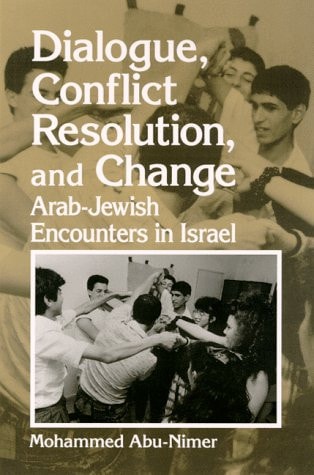
Dialogue, Conflict Resolution, and Change: Arab-Jewish Encounters in Israel
0
0
As an Amazon Associate and affiliate partner, Menrva Books earns from qualifying purchases. Learn more
Author Description
This is the first study to introduce the subject of Arab-Jewish relations and encounters in Israel from both conflict resolution and educational perspectives. Through a critical examination of Arab and Jewish encounter programs in Israel, the book reviews conflict resolution and intergroup theories and processes which are utilized in dealing with ethnic conflicts and offers a detailed presentation of intervention models applied by various encounter programs to promote dialogue, education for peace, and democracy between Arabs and Jews in Israel. The author investigates how encounter designs and processes can become part of a control system used by the dominant governmental majority's institutes to maintain the status quo and reinforce political taboos. Also discussed are the different conflict perceptions held by Arabs and Jews, the relationship between those perceptions, and both sides' expectations of the encounters. Abu-Nimer explores the impact of the political context (Intifada, Gulf War, and peace process) on the intervention design and process of those encounter groups, and contains a list of recommendations and guidelines to consider when designing and conducting encounters between ethnic groups. He reveals and explains why the Arab and Jewish encounter participants and leaders have different criteria of their encounter's success and failure. The study is also applicable to dialogue and coexistence programs and conflict resolution initiatives in other ethnically divided societies, such as South Africa, Northern Ireland, Bosnia, and Sri Lanka, where the minority and majority have struggled to find peaceful ways to coexist.
Menrva's Summary
THE THESIS
This book examines the complex dynamics of Arab-Jewish encounters within Israel, analyzing their role in conflict resolution and education. Mohammed Abu-Nimer, drawing on his expertise in conflict resolution, investigates how encounter programs attempt to foster dialogue and peace between these communities. The study critically assesses intergroup theories and intervention models, exploring how dominant governmental institutes might use these programs to maintain the status quo. It also delves into the differing conflict perceptions and expectations of both Arab and Jewish participants, considering the impact of political contexts like the Intifada and the peace process on these initiatives.
THE SCOPE MAP
- Analysis of Arab and Jewish encounter programs in Israel.
- Review of conflict resolution and intergroup theories applied to ethnic conflicts.
- Detailed presentation of intervention models used in dialogue and peace education.
- Examination of how encounter designs can be used by dominant groups to reinforce political taboos.
- Investigation of differing conflict perceptions and expectations between Arabs and Jews.
- Impact of political contexts (Intifada, Gulf War, peace process) on encounter groups.
- Recommendations and guidelines for designing and conducting intergroup encounters.
- Explanation of divergent criteria for success and failure among participants and leaders.
THE AUTHORITY PERSPECTIVE
The book is recognized as a pioneering study that bridges the fields of conflict resolution and Arab-Jewish relations within Israel. Its detailed examination of encounter programs and theoretical frameworks offers valuable insights into intergroup dynamics in divided societies. The analysis of how political contexts influence these encounters and the exploration of differing success criteria provide a nuanced perspective on coexistence initiatives. The study's applicability extends beyond Israel to other ethnically divided regions facing similar challenges.
Page Count:
199
Publication Date:
1999-05-13
Publisher:
SUNY Press
ISBN-10:
0791441539
ISBN-13:
9780791441534
Politics
History
Non-Fiction
Peace studies
Conflict Resolution
Intergroup Relations
Sociology
Community Tags
Similar Books