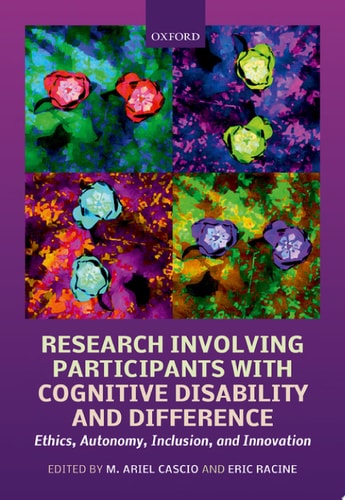
Research Involving Participants With Cognitive Disability And Differences
0
0
As an Amazon Associate and affiliate partner, Menrva Books earns from qualifying purchases. Learn more
Author Description
Research Participants Who Have Cognitive Disabilities And Differences May Be Considered A Vulnerable Population. At The Same Time, They Should Also Be Empowered To Participate In Research In Order To Foster The Growth Of Knowledge And The Improvement Of Practices. For Research Participants With Cognitive Disabilities Or Differences, Participating In Research That Concerns Them Follows The Disability Rights Movement's Call And Is A Vital Component Of The Principle Of Justice. However, Cognitive Disabilities And Differences May Pose Challenges To Ethical Research, Particularly With Respect To The Research Ethics Principle Of Autonomy, For A Variety Of Reasons. Several Alternative Or Modified Strategies, For Example When Obtaining Informed Consent, Have Been Used By Researchers. This Volume Provides Timely, Multidisciplinary Insights Into The Ethical Aspects Of Research That Includes Participants With Cognitive Disability And Differences. These Include Conditions Such As Intellectual Disability, Autism, Mild Cognitive Impairment (mci), And Psychiatric Diagnoses. The Chapters In This Volume Describe Situations Where Difficulties Arise, Explore Strategies For Empowerment And Inclusion, Drawing On Both Empirical And Normative Research To Offer Suggestions For Research Design, Research Ethics, And Best Practices That Empower People With Cognitive Disabilities And Differences To Participate In Research While Respecting And Managing Potential Coercion Or Undue Influence. The Book Includes Contributions From Scholars In Anthropology, Sociology, Ethics, Child Studies, Health And Rehabilitation Sciences, Philosophy, And Law Who Address These Issues In Both Clinical And Social/behavioural Research. The Book Will Be Valuable For Anyone Performing Research Involving These Populations - From The Fields Of Neuropsychology, Neurology, Psychiatry, And Neuroscience.
Menrva's Summary
THE THESIS
This volume investigates the ethical complexities and procedural challenges inherent in conducting research involving individuals with cognitive disabilities and differences. Editors Eric Racine and M. Ariel Cascio assemble a multidisciplinary group of scholars to address the tension between protecting vulnerable populations and the imperative to include them in knowledge-generating activities. The text argues for a framework that balances the principle of justice with the necessity of safeguarding autonomy through modified consent strategies and inclusive research design.
THE SCOPE MAP
What You Will Find
- Ethical frameworks for informed consent and participant empowerment
- Multidisciplinary perspectives from anthropology, law, philosophy, and health sciences
- Analysis of conditions including autism, intellectual disability, and psychiatric diagnoses
- Practical suggestions for managing potential coercion and undue influence
Scope Limits
- Does not provide a singular, universal protocol for all clinical settings
- Focuses primarily on ethical and normative design rather than specific medical treatment outcomes
THE AUTHORITY PERSPECTIVE
Experts identify this volume as a comprehensive resource for researchers navigating the intersection of disability rights and clinical ethics. Readers frequently note the academic density of the prose, which serves as a foundational reference for practitioners in neurology, psychiatry, and the social sciences.
Page Count:
304
Publication Date:
2019-01-01
Publisher:
Oxford University Press
ISBN-10:
0192557696
ISBN-13:
9780192557698
Psychology
Sociology
Medical Law
Bioethics
Research Ethics
Community Tags
Similar Books