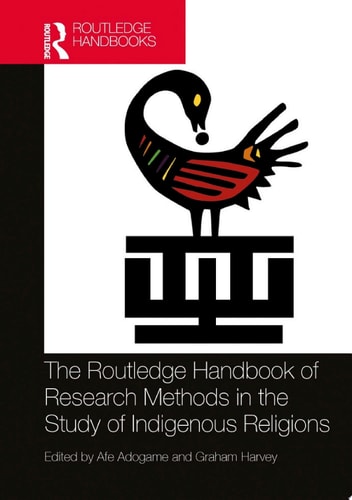
The Routledge Handbook of Research Methods in the Study of Indigenous Religions
0
0
As an Amazon Associate and affiliate partner, Menrva Books earns from qualifying purchases. Learn more
Author Description
Exciting developments in research among, with and by Indigenous scholars and communities are enriching a wide range of disciplines, methodologies and trans-disciplinary conversations. This growing field offers important insights and provocations about methods and approaches. Key issues such as relationality, decolonisation, research ethics, pedagogy and collaboration necessarily require improvements both in scholarly description and in scholarly practice. Similarly, critical themes for Indigenous people intersect strongly both with recent scholarly “turns”, such as embodiment, gender, performance, place, ontology, and materiality. The Routledge Handbook of Research Methods in the Study of Indigenous Religions reflects on appropriate approaches and methods with over 28 chapters by a team of international contributors. The Handbook is divided into three parts: Core themes and critical issues in research and debate about Indigenous Religions Disciplines and methods, focusing on ways in which researchers gain and share understanding about Indigenous religions Recent scholarship about broad regions of the world Within these sections, central issues, debates and problems are examined, including cosmology, diaspora, bodies and materiality, witchcraft and divination, ritual studies, ethnography and fieldwork, heritage studies, ecology, feminist methodologies, decolonial methods and Indigenist methods, research ethics, activism, health, and peoplehood, kinship and relations. The Routledge Handbook of Research Methods in the Study of Indigenous Religions is essential reading for students and researchers in religious studies and Indigenous studies, and the handbook will also be very useful for those in related fields such as sociology, anthropology, history and politics.
Menrva's Summary
THE THESIS
This handbook investigates the evolving landscape of research methodologies within the study of Indigenous religions, emphasizing the critical contributions of Indigenous scholars and communities. It addresses key issues such as relationality, decolonization, research ethics, pedagogy, and collaboration, reflecting recent scholarly turns in areas like embodiment, gender, performance, and materiality. The work is structured into three parts, examining core themes, disciplinary approaches, and recent global scholarship, offering a comprehensive overview of current debates and practices in the field.
THE SCOPE MAP
- Core themes and critical issues in research and debate about Indigenous Religions
- Disciplines and methods, focusing on ways in which researchers gain and share understanding about Indigenous religions
- Recent scholarship about broad regions of the world
- Exploration of cosmology, diaspora, bodies and materiality, witchcraft and divination
- Examination of ritual studies, ethnography and fieldwork, heritage studies, and ecology
- Discussion of feminist methodologies, decolonial methods, and Indigenist methods
- Consideration of research ethics, activism, health, and peoplehood, kinship and relations
THE AUTHORITY PERSPECTIVE
The Routledge Handbook of Research Methods in the Study of Indigenous Religions is positioned as essential reading for students and researchers in religious studies and Indigenous studies. Its comprehensive scope and focus on contemporary methodological advancements suggest it will be a valuable resource for scholars across related disciplines such as sociology, anthropology, and politics. The emphasis on Indigenous scholarship and decolonial approaches indicates a commitment to current critical conversations within academia. The collection of international contributors points to a broad and diverse perspective on the subject matter.
Page Count:
416
Publication Date:
2025-03-31
Publisher:
Taylor & Francis
ISBN-10:
104033170X
ISBN-13:
9781040331705
History
Philosophy
Non-Fiction
Decolonization
Anthropology
Sociology
Research Methods
Community Tags
Similar Books