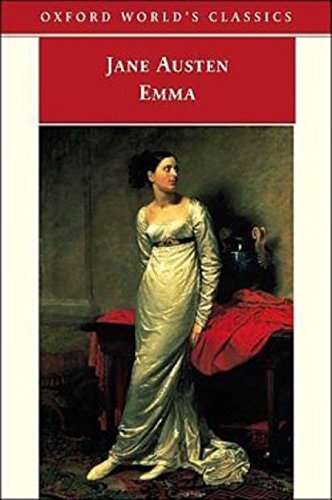
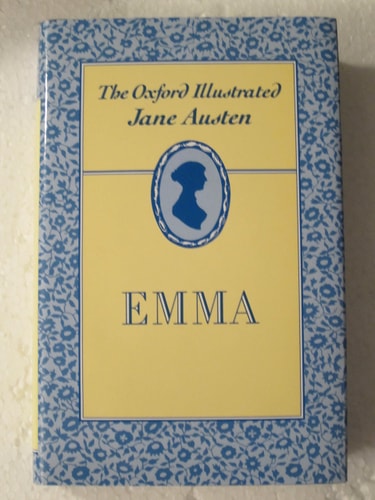
Emma
0
0
As an Amazon Associate and affiliate partner, Menrva Books earns from qualifying purchases. Learn more
Author Description
Emma (1816) is Jane Austen's comic masterpiece in which Emma Woodhouse finds her match-making skills sadly misdirected as she learns humility and self-knowledge at the same time as she discovers love.
Menrva's Summary
THE PULSE
Emma Woodhouse, a wealthy and self-assured young woman, inadvertently creates social chaos through her misguided attempts to orchestrate the romantic lives of those around her. Emma occupies her time in the village of Highbury by playing matchmaker, often ignoring the social realities and personal desires of her peers. She faces opposition from the pragmatic Mr. Knightley, who serves as a moral anchor and critic of her meddling. The narrative is presented through a third-person limited perspective that grants the reader access to Emma's internal justifications while simultaneously highlighting the discrepancies between her perceptions and the actual events unfolding in her social circle.
INSIDE THE PAGES
- Use of free indirect discourse to blend narrator and character voice
- Focus on the nuances of 19th-century English social hierarchy
- Exploration of the tension between personal autonomy and societal expectation
- Satirical treatment of provincial manners and class pretension
- Character-driven plot focusing on internal growth and self-realization
- Intricate dialogue that reveals character motivations and social standing
- Emphasis on the domestic sphere as a site of significant conflict
- Gradual revelation of romantic entanglements through misunderstanding
THE COLLECTIVE ECHO
Readers and critics frequently highlight the precision of the prose and the sharpness of the social observation present throughout the narrative. Discussion often centers on the complexity of Emma as a protagonist, noting her flaws and the gradual process of her moral development. The balance between the lighthearted tone of the matchmaking plot and the underlying seriousness of the character study is a common point of analysis. Many observers emphasize the effectiveness of the setting in creating a contained world where minor social transgressions carry significant weight. The work is widely regarded for its structural integrity and the clarity of its thematic exploration regarding self-deception.
Page Count:
446
Publication Date:
1971-01-01
Publisher:
Oxford University Press
ISBN-10:
0192553445
ISBN-13:
9780192553447
Romance
19th Century
Domestic fiction
Female friendship
Young women
Social Satire
classic
Community Tags
Other Editions(34)
Independently Published
2022
Default edition
Independently Published
2022
Independently Published
2021
Independently Published
2021
Independently Published
2021
Independently Published
2021
Independently Published
2021
Independently Published
2021
Independently Published
2021
Independently Published
2020
Independently Published
2020
Independently Published
2020
Independently Published
2020
Independently Published
2019
Independently published
2019
Independently Published
2019
Independently Published
2018
Oxford University Press España, S.A.
2016
Oxford University Press
2010
General Books LLC
2010

General Books LLC
2009
Recorded Books, Inc.
2009
Oxford University Press
2008

Oxford University Press
2008

Oxford University Press
2005
Recorded Books, Inc.
2003
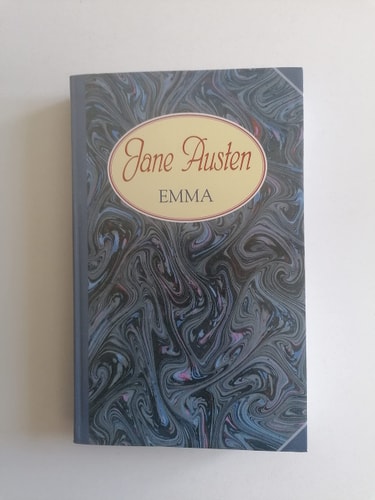
Oxford University Press
1999
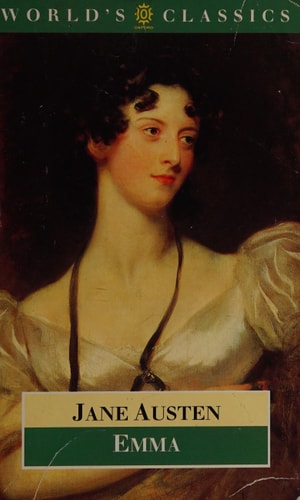
Oxford University
1996
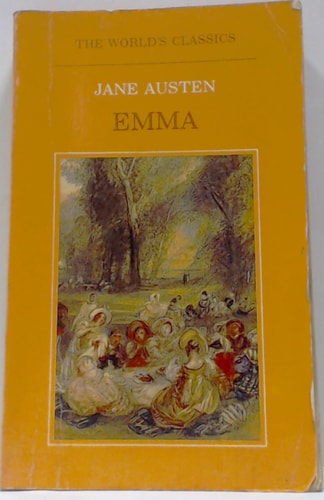
Oxford University Press
1980
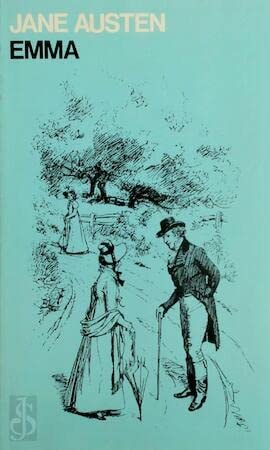
Oxford University Press
1975
Oxford University Press
1971
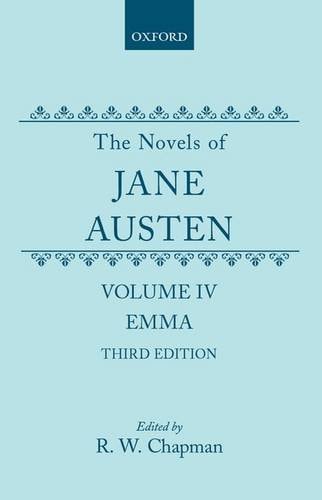
Oxford University Press
1933
Huge Print Press
1900
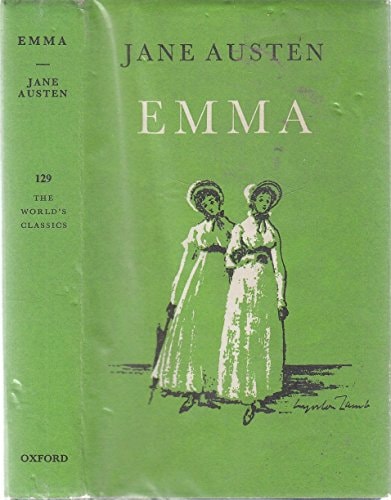
Oxford University Press
1900
Similar Books







Reader Comments
Share Your Thoughts
No comments yet. Be the first to share your thoughts!