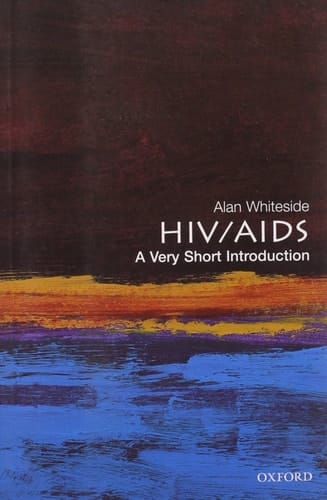
Author Description
By Investigating Thousands Of Descriptions Of Epidemics Reaching Back Before The Fifth-century-bce Plague Of Athens To The Distrust And Violence That Erupted With Ebola In 2014, Epidemics Challenges A Dominant Hypothesis In The Study Of Epidemics, That Invariably Across Time And Space, Epidemics Provoked Hatred, Blaming Of The 'other', And Victimizing Bearers Of Epidemic Diseases, Particularly When Diseases Were Mysterious, Without Known Cures Or Preventive Measures, As With Aids During The Last Two Decades Of The Twentieth Century. However, Scholars And Public Intellectuals, Especially Post-aids, Have Missed A Fundamental Aspect Of The History Of Epidemics. Instead Of Sparking Hatred And Blame, This Study Traces Epidemics' Socio-psychological Consequences Across Time And Discovers A Radically Different Picture: That Epidemic Diseases Have More Often Unified Societies Across Class, Race, Ethnicity, And Religion, Spurring Self-sacrifice And Compassion.
Menrva's Summary
THE THESIS
This book investigates whether epidemic diseases consistently incite social hostility and the scapegoating of marginalized groups throughout history. Samuel K. Cohn Jr. challenges the prevailing academic consensus that pandemics inevitably trigger violence and social fragmentation. By analyzing a vast historical dataset, the author argues that epidemics have more frequently fostered social cohesion, altruism, and collective compassion across diverse demographic groups.
THE SCOPE MAP
What You Will Find
- A longitudinal analysis of epidemic responses from the fifth-century BCE Plague of Athens to the 2014 Ebola outbreak.
- Comparative studies of social reactions to various diseases including the Black Death, cholera, and HIV/AIDS.
- Evidence demonstrating patterns of communal solidarity and self-sacrifice in the face of widespread contagion.
Scope Limits
- The study focuses primarily on socio-psychological reactions rather than the biological or clinical progression of the diseases themselves.
THE AUTHORITY PERSPECTIVE
Scholars recognize this work as a significant revisionist contribution to the history of medicine and social behavior. Readers frequently note the extensive historical documentation provided, which serves to effectively complicate simplistic narratives regarding human behavior during public health crises.
Page Count:
656
Publication Date:
2018-01-01
Publisher:
Oxford University Press
ISBN-10:
0192551582
ISBN-13:
9780192551580
History
Sociology
Public Health
Epidemiology
Community Tags
Similar Books