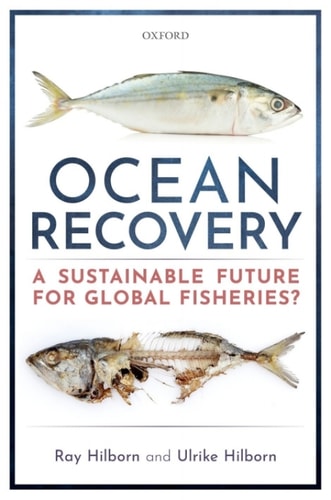
Ocean Recovery: A Sustainable Future for Global Fisheries?
0
0
As an Amazon Associate and affiliate partner, Menrva Books earns from qualifying purchases. Learn more
Author Description
Over the last two decades, the scientific and popular media have been bombarded by gloom and doom stories of the future of fisheries, the status of fish stocks, and the impact of fishing on marine ecosystems. Dozens of certification and labeling schemes have emerged to advise consumers on what seafood is sustainable. In recent years, an opposing narrative has emerged emphasizing the success of fisheries management in many places, the increasing abundance of fish stocks in those places, and the prescription for sustainable fisheries. However, there has been no comprehensive survey of what really constitutes sustainability in fisheries, fish stock status, success and failures of management, and consideration of the impacts of fishing on marine ecosystems. This book will explore very different perspectives on sustainability, and bring together the data from a large number of studies to show where fish stocks are increasing, where they are declining, the consequences of alternative fisheries management regimes, and what is known about a range of fisheries issues such as the impacts of trawling on marine ecosystems. Ocean Recovery is aimed principally at a general audience that is already interested in fisheries but seeks both a deeper understanding of what is known about specific issues and an impartial presentation of all the data rather than selected examples used to justify a particular perspective or agenda. It will also appeal to the scientific community eager to know more about marine fisheries and fishing data, and serve as the basis for graduate seminars on the sustainability of natural resources.
Menrva's Summary
THE THESIS
This book investigates the current state of global fisheries to determine whether sustainable management practices are successfully reversing stock declines or if the industry remains in a state of crisis. Ray Hilborn, a prominent fisheries scientist, and Ulrike Hilborn synthesize extensive data sets to challenge prevailing narratives of inevitable collapse. By evaluating management regimes and ecological impacts, the authors provide a framework for understanding the complexities of marine resource sustainability beyond popular media rhetoric.
THE SCOPE MAP
What You Will Find
- Comparative analysis of fish stock abundance across various global regions
- Evaluation of diverse fisheries management regimes and their outcomes
- Examination of the ecological consequences of specific fishing methods, such as trawling
- Synthesis of scientific studies regarding seafood certification and labeling schemes
Scope Limits
- Does not advocate for a single political or environmental agenda
- Excludes anecdotal evidence in favor of broad, data-driven statistical trends
THE AUTHORITY PERSPECTIVE
Experts and academics frequently cite this work as a balanced, data-heavy resource for understanding the nuances of marine resource management. Readers often note the technical density of the prose, which serves as a foundational text for graduate-level seminars and informed general readers.
Page Count:
208
Publication Date:
2019-01-01
Publisher:
OUP Oxford
ISBN-10:
0192576127
ISBN-13:
9780192576125
Science
Nature
Earth Sciences
Hydrogeology
Geology
Sustainability
Marine Biology
Community Tags
Similar Books