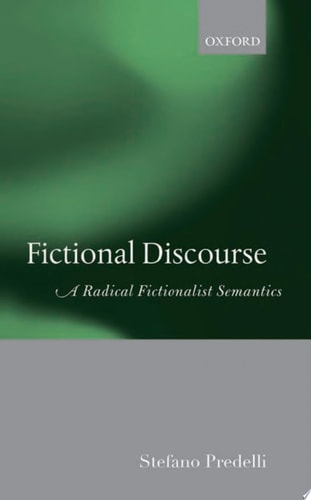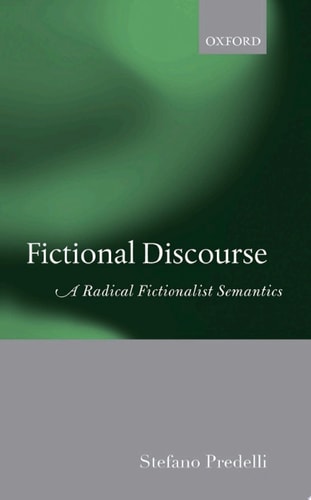
Fictional Discourse: A Radical Fictionalist Semantics
0
0
As an Amazon Associate and affiliate partner, Menrva Books earns from qualifying purchases. Learn more
Author Description
Fictional Discourse: A Radical Fictionalist Semantics combines the insight of linguistic and philosophical semantics with the study of fictional language. Its central idea is familiar to anyone exposed to the ways of narrative fiction, namely the notion of a fictional teller. Starting with premises having to do with fictional names such as 'Holmes' or 'Emma', Stefano Predelli develops Radical Fictionalism, a theory that is subsequently applied to central themes in the analysis of fiction. Among other things, he discusses the distinction between storyworlds and narrative peripheries, the relationships between homodiegetic and heterodiegetic narrative, narrative time, unreliability, and closure. The final chapters extend Radical Fictionalism to critical discourse, as Predelli introduces the ideas of critical and biased retelling, and pauses on the relationships between Radical Fictionalism and talk about literary characters.
Menrva's Summary
THE THESIS
This book investigates the semantic properties of fictional discourse by proposing a theory of Radical Fictionalism centered on the concept of the fictional teller. Stefano Predelli, a philosopher specializing in the philosophy of language, utilizes linguistic analysis to examine how names and narrative structures function within fictional contexts. He argues that the presence of a narrator is the primary mechanism for understanding fictional truth and reference, providing a framework that accounts for the complexities of storytelling.
THE SCOPE MAP
What You Will Find
- A formal theory of Radical Fictionalism applied to narrative semantics
- Analysis of fictional names and their referential behavior
- Examination of narrative structures including homodiegetic and heterodiegetic modes
- Discussion of narrative time, unreliability, and closure
- Application of the theory to critical discourse and literary criticism
Scope Limits
- The text does not provide a comprehensive history of literary theory
- It does not focus on the psychological or sociological aspects of reader reception
THE AUTHORITY PERSPECTIVE
Experts in the philosophy of language recognize this work as a rigorous contribution to the ongoing debate regarding fictional reference and truth. Readers frequently note the academic density of the prose, which requires a strong background in formal semantics to fully appreciate the author's arguments.
Page Count:
192
Publication Date:
2020-01-01
Publisher:
OUP Oxford
ISBN-10:
0192595970
ISBN-13:
9780192595973
Philosophy
Literary theory
Linguistics
Fiction
Semantics
In literature
Philosophy of